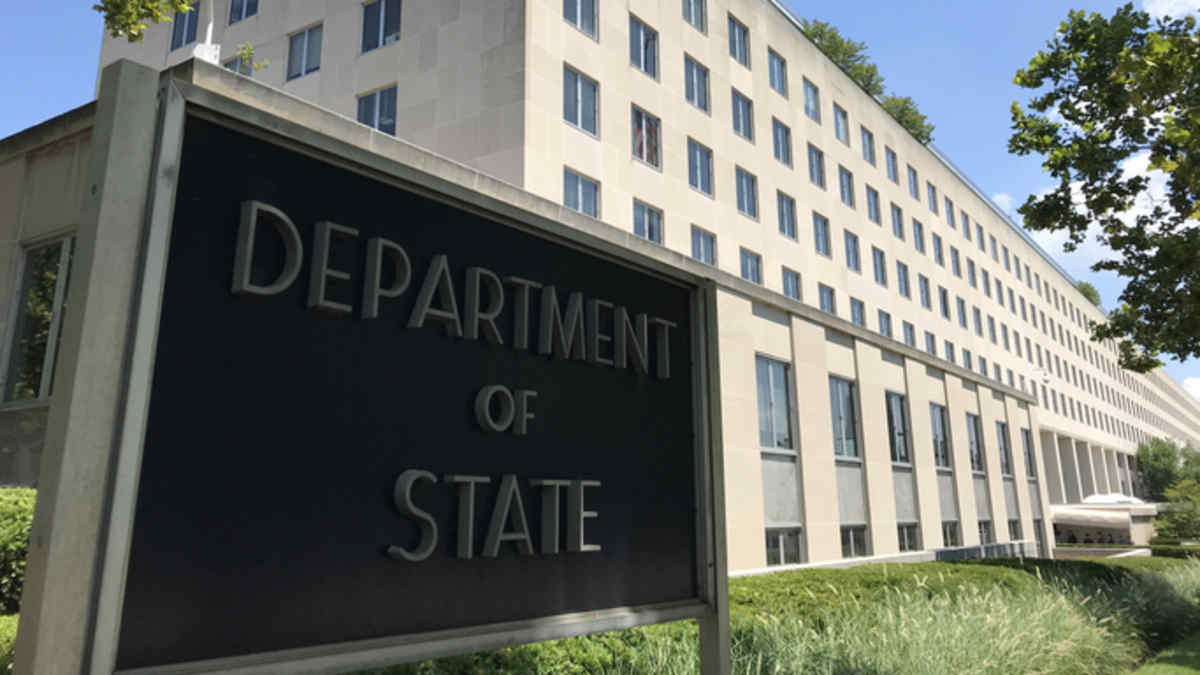
State Department Plans to Resume Domestic Visa Renewals

?Certain foreign workers will be able to apply to renew their visas from within the U.S., instead of having to travel abroad, under a pilot program the U.S. Department of State will implement later this year.

Restoring domestic visa renewals—which were discontinued in 2004—will save foreign workers from potentially facing months-long delays in their home countries, provide employers with more certainty and help reduce the backlogs at U.S. consulates abroad.

“It’s a win-win no-brainer,” said Avram Morell, an immigration attorney in the New York City office of Pryor Cashman. “I applaud the Department of State for finding ways to minimize the extra time, effort and unpredictability experienced by U.S. employers and their foreign national employees when renewing a visa.”

The renewal options will be available to H-1B, H-4, L-1 and L-2 visa holders and could eventually be expanded, said Julie Stufft, deputy assistant secretary for visa services in the State Department’s Bureau of Consular Affairs.

Visa vs. Status Explained

To understand what the processing change means for employers and workers, it is important to know the difference between immigration status and a visa. The term “visa” is commonly used interchangeably to mean both a person’s immigration status—categories such as H-1B or L-1—and that person’s physical visa, the stamp or sticker placed in their passport and used to seek entry into the U.S.

Immigration status can be extended while in the U.S., but visas must be applied for at an embassy or consulate outside of the U.S. The validity of visas can last from months to years, depending on the agreement between the U.S. and other countries, but it is not a problem if one’s visa expires while the worker is legally present in the U.S. Status does not end when the visa expires. The problem arises when the H-1B holder wishes to travel outside of the U.S., for example, to visit their home country or take a vacation. If the entry visa in the passport has expired, the worker must apply for a new one before returning to the U.S.

Consular Backlogs

U.S. employers have advised their foreign national employees to avoid travel to prevent them from being stuck abroad indefinitely while they secure an appointment.

“Under the current process, the worker would need to schedule an appointment for an interview at a U.S. consulate abroad, attend the interview, wait for approval and then wait for the visa sticker to be returned with their passport,” Morell said. “The issue is that since the pandemic, people have had to wait for many months before they can obtain an interview to apply for a new visa, adding disruptions for employers. And even in situations where the interview has been waived by the consulate, they still need to travel to their home country and obtain permission to submit the application and wait a lengthy period of time for the visa to come back.”

The suspension of routine visa processing at U.S. consulates during the early days of the COVID-19 pandemic and the resulting extensive backlog of appointments highlighted the challenges inherent in a system that relies on physically appearing at a consulate, said Kenneth Harder, an attorney in the Houston office of Jackson Lewis.

Harder explained that partly in response to these conditions, the State Department allowed consular officers to waive in-person interviews for some visa applicants under certain conditions. “Stateside visa processing would be a logical extension of the interview waiver process,” he said.

‘A Common Practice’

The domestic renewal option would be a great benefit for workers and employers, Morell said. “Since the pandemic began, immigration lawyers, including myself, have been advocating to reinstate the ability to renew visas within the U.S. without having to first leave and go to a consulate abroad,” he said. “This was a common practice until 2004, when it was cancelled in the wake of new security procedures after the 9/11 attacks.”

The change will be especially impactful for Indian nationals, who make up nearly three-quarters of the H-1B workforce. Because of green card backlogs, those workers are likely to spend years longer on temporary status, which means they must continue to renew their visas if they would like to visit family, take vacations abroad or travel for business.

The documentation requirements, application procedures and expected timeline for stateside visa processing are not yet known, Harder said.

“We don’t know yet exactly how and when this new program will be implemented, but we do have experience with this from doing it before 2004, and we know it can work securely, effectively and efficiently,” Morell said. 

H-1B Cap Season Begins March 1

?U.S. employers seeking to sponsor and hire foreign professionals this year need to start preparing now for the H-1B cap filing season that kicks off in less than a month.

U.S. Citizenship and Immigration Services (USCIS) announced that the fiscal 2024 registration period—the first step in the process of hiring new H-1B workers—will open at noon ET on March 1 and conclude at noon ET on March 17. All cap-subject H-1B registrations must be submitted online through the myUSCIS system during this time.

“The H-1B cap season is fast approaching,” said Michael Neifach, an attorney in the Washington, D.C., regional office of Jackson Lewis. “Employers should assess their hiring needs and determine if they will sponsor foreign workers for H-1B classification this year. Now is the time to begin preparing.”

Time is of the essence, agreed Sophie Alcorn, a Silicon Valley-based immigration attorney and CEO of Alcorn Immigration Law. “Especially if you’re new to the process, you should find a lawyer now, because it takes time to make sure that the candidate has a qualifying case and get everything set up properly,” she said.

Neifach noted, “H-1B beneficiaries may include both recent foreign student graduates present in the United States in F-1 student status and any other foreign professional, whether currently in the United States or abroad.” The earliest possible date the employee could begin work is Oct. 1.

Most H-1B workers currently in H-1B visa status are not subject to the annual cap, including workers who are extending their status, changing from one employer to another, changing the terms of existing employment or filing for a concurrent H-1B position.

In addition, foreign nationals seeking to work for an institution of higher education, a nonprofit research organization or a government research organization are not subject to the H-1B cap.

Registration Steps

Previous H-1B employers can use their existing myUSCIS account for registration, while prospective employers can set up a new account beginning Feb. 21. Each organization must have a myUSCIS account. An employer account is necessary to submit registrations, whether an organization intends to work with immigration counsel or not.

Alcorn explained that employers can complete registration—a relatively easy process—on their own, but she doesn’t recommend it. “Doing that will save money in the short term but can lead to complications later,” she said. “Immigration attorneys also may not have the capacity to take on new cases after the lottery for selected individuals.”

After registration closes, USCIS will conduct the fiscal 2024 H-1B cap selection in two lotteries to meet the 85,000 annual visa cap. The first lottery will involve all registered beneficiaries and will select enough registrations to meet the regular cap of 65,000. The second lottery involves registered U.S. advanced-degree holders who were not chosen in the first lottery to meet the advanced-degree cap exemption of 20,000.

Sponsoring employers will be notified of selected entries by March 31. The next step in the process, the H-1B petition filing period, is expected to begin on April 3 and last for at least 90 days.

This will be the fourth consecutive year that USCIS has used electronic registration, and by most accounts, the process has gone well. The updated system, which requires employers to submit minimal information for each visa requested and file full H-1B petitions only if they are selected in the registration lottery, was meant to simplify the H-1B visa filing process and cut costs for employers. Only those randomly selected from the registration pool will be eligible to file petitions.

“USCIS implemented the electronic registration system for the H-1B cap to manage the increasing demand for H-1B visas,” Neifach said. “The electronic registration system alleviates the burden of preparing and filing a full H-1B petition before knowing if a visa is available in the quota.”

He added that while registration requires only basic information, the employer should ensure that the employee and the position meet the specialty occupation and wage requirements for H-1B classification.

A $10 fee is required for each registration (which could be increased to $215 under a USCIS proposal), along with information including the employer’s name, mailing address and tax identification number; the worker’s name, date of birth, country of citizenship, gender, passport number and education level; and whether the worker has attained a master’s degree or higher from a U.S. university.

Employers can include up to 250 beneficiaries in a single registration submission. There is no limit on the number of registrations an employer can submit; however, there can only be one per beneficiary. If more than one registration is submitted for the same person, all registrations submitted for that person will be invalid, according to USCIS. The agency said it has added duplicate record checker functionality to the electronic registration process.

USCIS will provide a selection notice for each winning beneficiary that must be printed out and submitted with the visa petition. The selection notice is valid for the named person only, and employers cannot substitute beneficiaries.

Current economic trends may affect participation this year. “It will be interesting to see how many registrations are made in the current environment of tech layoffs,” Alcorn said. Layoffs in the technology sector suggest there may be fewer H-1B petitions than usual this year, but the final number will certainly exceed the visa cap of 85,000. In fiscal 2023, U.S. employers submitted 483,927 H-1B registrations. The number of registrations has grown each year since the registration system was implemented in 2020.

Alcorn advised employers to start preparing the H-1B petition—a much more involved process—even before the registration lottery results are announced. The process requires many documents, and advance preparation can minimize the risk of delay during the busy petition filing period.

UK Demand for Migrant Workers Raises Exploitation Concerns

?A worker shortage in the United Kingdom has raised demand for foreign workers and, along with it, concerns about mistreatment—even modern slavery.

In early 2022, Sara Thornton, the country’s anti-slavery commissioner at the time (the post has been unfilled since spring 2022), cited several exploitation risks facing migrant agricultural workers, including racism and discrimination by management, debt bondage, recruitment fees, unsafe and unsanitary housing, and contracts not written in their native language.

While an evaluation of a 2019 seasonal worker pilot program found no instances of slavery, there were strong indicators of exploitation, she said, noting that “modern slavery and severe cases of labor exploitation tend to be hidden from public view and are rarely discovered during audits and compliance visits.”

A major expansion of the U.K.’s seasonal worker visa program has raised risks of mistreatment. The program has been touted as a recruitment opportunity as far away as the Caribbean and Nepal, Thornton added. The U.K. has issued 40,000 seasonal worker visas in 2022, a big jump from the 2,500 granted in 2019; temporary and skilled-worker visas also grew over that period.

To avoid exploiting foreign workers, employers, in addition to following legal requirements related to migrant workers, can adopt various practices the government has suggested.

Protective Moves

“It should go without saying that employers should ensure that they treat all workers fairly and equally and in accordance with U.K. employment law. In the case of vulnerable workers, it may be necessary to take extra steps to ensure they are adequately protected,” said Vanessa Ganguin, a London-based attorney for GQ Littler.

Following review of the 2019 seasonal worker pilot, which allowed recruitment of a limited number of migrants from non-European Union countries for temporary farm work, authorities found almost half of the migrant workers had not received their employment contract in their native language, and more than a fifth alleged ill treatment, racism and discrimination, Ganguin said.

“Workforce training on diversity and discrimination can help prevent this, but businesses—and HR in particular—should understand how to spot signs of exploitation and report concerns. Companies may also wish to check with recruiters and suppliers regarding their own practices for protecting against modern slavery to avoid unwittingly supporting this,” Ganguin said.

Migrant workers are eligible for the same rights and protections as resident workers in the U.K., so they should benefit from the same protections on minimum wage, working hours and paid holiday, and the same rights against discrimination, she said, noting that the Gangmasters & Labor Abuse Authority is responsible for protecting vulnerable workers and addressing modern slavery in the U.K.

Sponsor License Needed

Since Brexit took effect, most employers that wish to engage workers from outside of

the U.K. must apply for a sponsor license as part of the country’s points-based visa system, according to Laura Morrison, an attorney with Dentons in Edinburgh, Scotland.

“There is a rigorous application process so that only genuine employers [that] have proper processes and procedures in place, may lawfully hire migrant workers,” she said.

“Modern slavery is thankfully only an issue in a very small number of cases in the U.K.,” primarily for migrants who are trafficked to the U.K. or try to enter the country without permission, Morrison said. “These groups are most vulnerable to exploitation and to being engaged illegally by unscrupulous employers,” are often in debt after paying to reach the country and are less likely to know about their rights as workers, she noted.

In 2021, activists reported that seasonal workers in Scotland had been pressed to agree to zero-hour contracts (where the employer isn’t required to provide any work hours to an employee), incurred large immigration debts, were forced to endure degrading living and working conditions, and were threatened with deportation, according to the Business & Human Rights Resource Centre.

More broadly, many U.K. employers face a big challenge in finding enough skilled workers.

“We have helped to guide many clients through the process of becoming a licensed sponsor.

Employers need to understand the sponsorship regime that underpins the points-based

system and we help them to do so. It is crucial that they comply with the duties imposed on

sponsors or they face possible suspension or revocation of their license,” said Morrison, noting that a sponsor with a revoked license must terminate sponsored workers’ employment.

Licensed sponsors must keep required records and report changes in migrant workers’ status, according to Morrison.

Access to workers is the biggest immigration-related issue facing U.K. employers since Brexit, Ganguin said.

Changes in skilled work visa regulations have helped boost the numbers. Officials lowered skill and salary thresholds, and removed impediments like advertising requirements and caps on migrant numbers, Ganguin explained, “but the government has been adamant that the system is still built around skilled migration” and is reluctant to expand visas for lower-skilled roles.

“This has caused significant problems for some employers in being able to meet staffing needs,” Ganguin said.

With Brexit, U.K. employers lost access to the European Economic Area (EEA) labor market, she noted. While the increase in skilled worker visas has helped, many jobs do not qualify due to skill level or low salaries, said Ganguin. Work visas generally restrict migrants to working for one employer, limiting their ability to react to problems or abuses, whereas EEA citizens benefiting from free movement were able to move jobs freely before Brexit, she said.

Morrison noted the U.K. government has suggested good practices employers can take to ease conditions for migrant workers.

Among the many measures suggested by the U.K.’s Health and Safety Executive, employers could provide foreign workers with translated materials, pair them with a more experienced co-worker who speaks the same language, train supervisors on clear communication, allow attendance at workplace English classes and emphasize the need to report accidents.

Dinah Wisenberg Brin is a reporter and writer in Philadelphia.

DHS Policy Protects Undocumented Workers During Labor Conflicts

?Undocumented workers can seek protection from deportation or other immigration enforcement if they are involved in labor disputes under a new policy issued by the U.S. Department of Homeland Security (DHS).

The DHS outlined the process for undocumented workers to apply for expedited enforcement relief, known as deferred action, if they have been victims of or are participating in an investigation involving violations of labor law. The new policy aims to offer case-by-case protection from “threats of immigration-related retaliation from exploitative employers,” the DHS said.

“Unscrupulous employers who prey on the vulnerability of noncitizen workers harm all workers and disadvantage businesses who play by the rules,” said Secretary of Homeland Security Alejandro Mayorkas. “We will hold these predatory actors accountable by encouraging all workers to assert their rights, report violations they have suffered or observed, and cooperate in labor standards investigations.”

The DHS said that migrant workers are often afraid to report labor law violations or cooperate in workplace investigations because they fear removal or other immigration-related retaliation by their employer. Yet the agencies tasked with enforcing employment laws depend on the cooperation of these workers in their investigations.

“Refraining from reporting violations due to a fear of immigration-based retaliation creates unfair labor market conditions and perpetuates the commission of unlawful and inhumane acts by employers, including nonpayment of wages, the imposition of unsafe working conditions, and chilling workers’ ability to organize and collectively bargain to improve such conditions,” the DHS said.

“It’s a long-awaited guidance,” said Muzaffar Chishti, senior fellow and director of the Migration Policy Institute’s office at the New York University School of Law. Chishti explained that Mayorkas issued a memo in October 2021 to establish priorities for immigration enforcement within the country. One idea was to incentivize workers who have been victims of exploitation or abuse by their employers to make violations claims—and promise that if they did, they would be protected.

“Workers in general, and unauthorized workers in particular, are often scared to report labor law violations,” Chishti said. “The employer has a very potent weapon to silence unauthorized workers.” 

The authority to grant deferred action had already existed, but the new policy makes the process for requesting protection easier and more accessible. U.S. Citizenship and Immigration Services (USCIS) has been designated as the main intake point for these requests, and if a worker is already in removal proceedings, then USCIS will forward the request to Immigration and Customs Enforcement.

“It should be made clear that workers can only apply for this benefit once a federal, state or local labor agency has initiated an investigation and states that the worker is critical to the investigation, either as a complainant or a witness,” Chishti said. “Mere assertion will not do it; you must get the endorsement of a labor agency, and that is not easy to do.”     

Deferred action typically lasts two years and can be terminated at any time. Workers granted deferred action protection may be eligible for renewals if investigations are ongoing, and they could also be eligible for work permits.

Immigrants’ and workers’ rights groups have been asking the Biden administration to do more in support of labor law enforcement protecting immigrant workers.

AFL-CIO President Liz Shuler said, “We are all at risk when employers can use immigration threats to scare workers into silence. Despite the risks, immigrant workers have been rising up to demand fair pay, safe working conditions, and basic dignity and respect on the job. The commonsense procedures DHS has put in place will provide temporary status protections and work permits to workers who are exercising their workplace rights and reporting violations. That helps keep us all safe on the job.”

The Department of Labor last year issued guidance clarifying that workers can file labor complaints regardless of immigration status. And the White House in 2021 announced it would cease workplace raids targeting undocumented immigrants and instead focus on employers’ actions.

How to Manually Track Immigration Requirements

?Manually tracking immigration requirements with paper, Excel and Outlook reminders is common among small employers. Here is an overview of how to manually track immigration requirements and the warning signs of when a company may have outgrown this approach.

Manual-Tracking How-To’s

Small employers will typically maintain one or more spreadsheets that track key expiration dates for employees on work visas as well as any pending or future immigration matters, said John Fay, an immigration attorney and director of product strategy at Equifax Workforce Solutions in Phoenix, which specializes in cloud-based I-9, E-Verify and immigration case management solutions. Outlook reminders supplement the lists, particularly for important filing deadlines and status expiration dates.

For example, an employer may keep a spreadsheet of all employees with temporary work authorization—either employer-sponsored, such as H-1B, L-1 and TN visas or those with “open market” employment, such as individuals on employment authorization documents. “Within those sheets, they’ll monitor I-94 expiration dates, I-797 petition expirations, visa max-out dates for H’s and L’s, and any time-sensitive requirements for future green card sponsorships,” Fay said. “Each one of these may also be monitored through an Outlook reminder.”

For I-9 reverification purposes, HR should set reminders six to seven months in advance and then have follow-up reminders monthly to ensure there is plenty of time and warning to the employee to obtain necessary work authorization renewals to complete reverification, said Sujata Ajmera, an attorney with Clark Hill in Austin, Texas. “Another thing we recommend employers track are termination dates so they can ensure they meet the I-9 document retention requirements.”

Separately, organizations will also have a list of all immigration cases that are in progress, such as visa extensions, change-of-status petitions and permanent residency applications. Within those lists, employers may track the current stage of a case—for example, questionnaires completed and petitions being prepared or filed with the U.S. Citizenship and Immigration Services—or any future steps needed from a corporate perspective.

For example, Fay said that in the H-1B context, employers must perform a variety of record keeping and notification activities in connection with the required labor condition application that is filed with the U.S. Department of Labor. “Green card applications involve even more tracking for the HR team, particularly those that go through the complete labor certification process—Permanent Employment Certification or PERM—that entails a variety of recruiting and advertising tasks in order to test the labor market,” Fay said.

Often, the employer’s outside counsel prepares and shares these lists. The outside counsel typically is involved in preparing applications, particularly for small organizations that do not have the resources or knowledge to navigate the “Byzantine U.S. immigration system,” Fay added. “Nevertheless, employers need to monitor these lists and take action when required in order to avoid potential immigration heartache.”

Manual-Tracking Risks

If the volume of foreign nationals increases, employers may need a team of HR and recruiters to manage all the required application steps and monitoring of expiration dates, Fay said. “While it’s great to have help, HR then runs into the problem of making sure that everyone on the team can access and update the spreadsheet or receive the Outlook reminders,” he said. “Inevitably, somebody will make a change to the master spreadsheet, e-mail it to someone else and then run into versioning issues with multiple copies floating around.”

Companies also should be concerned about the potential security risks of maintaining manual immigration tracking records, particularly when they have personally identifiable information (PII) or sensitive case details, Fay noted. “It’s not uncommon for HR to use record identifiers in their spreadsheets to avoid duplicates, but often these identifiers fall into a PII classification and thus present a security risk for the business,” he said.

An incorrect date or entry in a spreadsheet can easily occur. Making a mistake on an immigration process due to missed deadlines can negatively impact the business, particularly when a valued foreign national worker has to leave the company. “HR must also be mindful of immigration enforcement risks” that result from faulty immigration tracking, he said.

Alternatives

“Companies [that] are starting to feel these burdens will likely want to evaluate alternatives as soon as possible,” Fay said.

“Many employers do not realize these compliance failures until a new HR manager is brought on board,” Ajmera said. An annual self-audit can identify gaps. “This will help employers better understand when they have reached the point where more sophisticated I-9 processes may be required.”

Many employers that grow beyond their spreadsheets and Outlook calendar capabilities switch to an integrated human resource information system software that handles the I-9 process as a part of new employee onboarding.

“When an employer has more than 20 to 25 foreign national employees who require immigration sponsorship, using a more sophisticated system can help to prevent issues, such as missed deadlines or a mix-up between individual expiration dates,” said Yova Borovska, an attorney with Buchanan, Ingersoll & Rooney in Tampa, Fla.

With manual tracking, turnover in a role responsible for I-9s may cause lapses. A cloud-based or centralized system to track key dates can help ensure that all employer representatives involved in the I-9 process have access to data on key expiration dates, said Claudia Martorell, an attorney with Ogletree Deakins in San Diego.

“As soon as an employer can afford digital I-9 software that also tracks expiration dates, it is worth it,” said Greg Berk, an attorney with Sheppard Mullin in Costa, Mesa, Calif. Employers should “talk to their payroll providers and see if they offer an ICE [Immigration and Customs Enforcement] compliant digital I-9 software package. If not, then reach out to other vendors.”

Merely scanning I-9s as PDFs is not ICE compliant, Berk explained. “The software must have a built-in audit trail to track who touched the digital I-9, when and what was done.”

New Rules on H-1B Visas and H-2 Programs Are in the Works

?The Biden administration has reconfirmed its plans to reform the H-1B visa program for professional foreign workers this year—including raising the wages of those workers—as well as update regulations for the H-2 guest-worker programs and publish a final rule related to the virtual review of I-9 documents.

Federal agencies typically announce their agendas twice a year; the latest updates are for proposals scheduled through 2023.

H-1B Visa Program Reforms

U.S. Citizenship and Immigration Services (USCIS) intends to offer a rule amending aspects of the H-1B visa program first proposed by the Trump administration. The proposal has been postponed since December 2021 and is now scheduled for October.

According to USCIS, the rule will:

  • Redefine the H-1B employer-employee relationship.
  • Establish new guidelines for employer site visits.
  • Clarify rules for F-1 students awaiting a change of status to H-1B.
  • Clarify the requirement that an amended or new H-1B visa petition must be filed if there are material changes to employment, including a new worksite location.

Wage Increases

The Department of Labor (DOL) continues to plan to advance a new prevailing wage regulation, now scheduled for September, based on the public feedback it received in a request for comments conducted in 2021.

A final rule proposed by the Trump administration raising wages for workers with H-1B visas and employment-based green cards was slated to take effect November 2022; however, it was vacated by a federal judge the previous year. The rule was issued in January 2021 as one of the last regulatory actions of the Trump administration.

H-2 Programs

Both the DOL and USCIS intend to reform the H-2A and H-2B temporary worker programs this summer. The DOL plans to revamp H-2B prevailing wage rules, the temporary labor certification process and enforcement of H-2B employer obligations. In addition, the agency announced plans to amend the H-2A temporary agricultural worker program to improve working conditions and protections for farmworkers. Publication of the new H-2A and H-2B proposed rules is currently scheduled for June and August, respectively.

Fee Increases

USCIS proposed a number of significant filing fee increases for multiple employment-based immigration petitions and applications on Jan. 4, in part to help fund soaring asylum claims at the U.S.-Mexico border.

The agency typically relies on user fees instead of congressional funding and stated that the new fees would allow it to “recover its operating costs, re-establish and maintain timely case processing, and prevent the accumulation of future case backlogs.”

The COVID-19 pandemic led to a dramatic reduction in immigration processing and revenue, and immigration caseloads have since rebounded to pre-pandemic levels.

USCIS last adjusted its fees in December 2016, with a weighted average increase of 21 percent. The latest proposal would represent a weighted average increase of 40 percent.

The proposed changes would not take effect until after a 60-day public comment period is completed on March 6, the comments are evaluated, and a final rule is published and enacted, a process that can take several months.

A final regulation is also expected this month increasing civil monetary penalties for immigration-related violations to adjust for inflation.

Virtual I-9 Inspection

U.S. Immigration and Customs Enforcement (ICE) plans to publish a final rule in May giving it the authority to permit alternatives to in-person inspection of identity and employment authorization documents in the Form I-9 employment eligibility verification process.

The agency is currently reviewing public feedback on its August 2022 proposed rule.

The Society for Human Resource Management (SHRM) recognized the proposed rule as signaling the government’s willingness to formalize pandemic-era flexibilities.

“We are encouraged by the efforts of [ICE] and their openness to adjusting the employment verification process to reflect the 21st century workforce,” said Emily M. Dickens, chief of staff, head of public affairs and corporate secretary for SHRM. “At the same time, we had hoped to see a more fully developed proposed rule because many employers find the traditional Form I-9 processes to be burdensome.”

Employers must complete Form I-9s for all workers to verify their employment eligibility. During the COVID-19 pandemic, ICE waived the requirement that employers inspect documents proving employment eligibility in person in workplaces that were operating remotely, and those employers have been allowed to use alternatives like videoconferencing, fax or e-mail. That flexibility was most recently extended through the end of July.

L-1 Changes

USCIS continues to show interest in its longer-term plans to propose amendments to the L-1 visa rules. Specifically, the agency intends to revise the definition of specialized knowledge, clarify the definitions of employment and employer-employee relationship, and potentially impose new wage requirements for L-1 visas.

B-1 Visa Proposal Removed

The State Department dropped from its agenda a Trump-era rule that would have eliminated the practice of allowing foreign nationals to enter the U.S. with a B-1 business visa to perform short-term H-1B work. The rule had been published as a proposal in October 2020, but a final rule did not follow. The State Department’s spring 2022 regulatory agenda indicated that the agency was reconsidering the rule.

USCIS Proposes Raising Immigration Fees for Employers

?U.S. Citizenship and Immigration Services (USCIS) Jan. 4 proposed a number of significant filing fee increases for multiple employment-based immigration petitions and applications, in part to help fund soaring asylum claims at the U.S.-Mexico border.

The agency in charge of administering the nation’s immigration system typically relies on user fees instead of congressional funding and stated that the new fees would allow it to “recover its operating costs, reestablish and maintain timely case processing, and prevent the accumulation of future case backlogs.”

The COVID-19 pandemic led to a dramatic reduction in immigration processing and revenue, depleted cash reserves, a temporary hiring freeze, and an increase in staff attrition. Immigration caseloads have since rebounded to pre-pandemic levels and asylum claims—where those seeking asylum pay nothing for processing petitions—have exploded.

USCIS last adjusted its fees in December 2016, with a weighted average increase of 21 percent. The latest proposal would represent a weighted average increase of 40 percent. The increased fees would allow USCIS to hire nearly 8,000 new employees to more quickly process new applications and address the growing backlogs, as well as fund upgraded information technology resources, the agency said.

The proposed changes would not take effect until after a 60-day public comment period is completed on March 6, the comments are evaluated, and a final rule is published and enacted, a process which can take several months.

“This new fee review and proposed rule is definitely an unwelcome proposal for employers, as the USCIS filing fees for many petitions will become more expensive,” said Andrew Wilson, a partner at Lippes Mathias Wexler Friedman and co-leader of the firm’s immigration practice in Buffalo, N.Y. “This could affect budget planning for immigration matters going forward. In addition to higher filing fees, it is an unwelcome proposal because I think it makes things unnecessarily confusing.”

Experts believe that the proposal could be a barrier to employers in need of foreign labor while failing to address the root inefficiencies in visa processing, which continue to worsen.

“We expect that there will be concerns from small businesses, nonprofits and educational institutions [that] are not generally in a position to absorb the enormous increase and will feel a disproportionate impact,” said Dawn Lurie, senior counsel in the Washington, D.C., office of Seyfarth.

She pointed out that the last time USCIS successfully increased fees, it took over seven months from the date the proposed rule was published before the new fees became effective. “It will take many months before the higher fees take effect, if at all,” she said, adding that “if the rule is finalized without significant changes, it is very likely that litigation will ensue.”

Form Filing Increases

Similar to a 2020 proposed rule from the Trump administration that was blocked in federal court and never implemented, USCIS is proposing different fees for different visa classifications. The current base fee of $460 covers all temporary-worker visa petitions using Form I-129—used by employers to petition for guest workers under H-1B, H-2A, H-2B, L-1, O-1 and TN visa classifications. The new filing fees would be:

  • H-1B visas—$780
  • L-1 visas—$1,385
  • O-1 visas— $1,055
  • TN visas—$1,015
  • H-2A visas—up to $1,090
  • H-2B visas—up to $1,080

“Under the proposed rule, employers hiring high-skilled foreign nationals will pay 70 percent more for beneficiaries on H-1B petitions, 201 percent more for employees on L-1 petitions and 129 percent more for individuals on O-1 petitions,” said Stuart Anderson, executive director of the National Foundation for American Policy, a public-policy research organization based in Arlington, Va.

“Fees for beneficiaries for H-2A petitions for agricultural workers will rise by 137 percent and for H-2B petitions for seasonal, nonagricultural workers by 135 percent,” he said.

Employers filing Form I-140 for employment-based green cards will see only a 2 percent filing fee increase from $700 to $715.

In addition to the filing fee increases, USCIS is also proposing a new $600 asylum program fee to be paid by all employers sponsoring temporary workers or workers for permanent residence visas. The fee would apply each time an employer used Form I-129 for an initial petition, change of status, or extension of stay. This additional fee is intended to be used to help fund the administration of the asylum program.

Experts said that this measure could face legal challenges from employers who feel they shouldn’t be on the hook for asylum-related costs. “With the $600 fee on petitions to fund the asylum program, the federal government is requiring employers to pay for something from which they receive no benefit,” Anderson said. “USCIS is likely to receive many comments about that.”

Notably, employers already pay additional fees to petition USCIS for H or L visa workers. For example, companies applying for H-1B workers pay a $500 fraud detection fee—separate from the actual application fee—in most cases.

USCIS is also proposing to add fees to cover biometrics services when they are required and to offer separate filing fees based on filing certain petitions online or by mail, even though there are only a limited number of forms available online.

New Fees for Adjustment-of-Status Applications

Another significant increase in fees would impact those seeking to adjust their status from temporary to permanent. Filing forms I-485 (adjustment of status), I-131 (for advance parole) and I-765 for a work permit (unless done electronically), with biometric services, would increase by 130 percent.

Currently, individuals pay a filing fee of $1,225, which covers the adjustment application as well as applications for employment authorization and travel documents and any future renewals for those documents while the adjustment case is pending. USCIS is proposing separate fees for the three forms, adding up to $2,820, not including each subsequent employment authorization and advance parole application, until the adjustment of status is adjudicated.

“I understand the increased costs of doing business, but these increases seem excessive,” Wilson said. “For example, for a family of four submitting I-485/765/131 filings as the final step of the green card process, the total filing fees could be $11,280. It’s beyond excessive; it almost feels punitive.”

H-1B Registration Fee Increase

The rule also proposes to significantly raise the fee to use the H-1B electronic registration system from $10 for each worker to $215, an increase of over 2,000 percent. The agency stated that the increase is the result of a review of the cost of administering the H-1B registration system, begun in 2020, and that fee increases were always intended.

“I do not think many employers will flinch at this increase, and this is also one area where USCIS has greatly improved its logistics and processing,” Wilson said.

Steven Brouillard, an attorney in the Boston office of Seyfarth, noted that the comment period makes it impossible for this increase to be implemented for the upcoming H-1B cap registration in March.

Premium Processing Change

Just like the 2020 proposed rule from the Trump administration, USCIS is seeking to extend the premium processing period from 15 calendar days to 15 business days.

“Business days are defined as the days that the federal government is open for business, which does not include weekends or federally observed holidays,” Brouillard said. “This could add a one-to-two-week delay to case processing.”

The $2,500 premium processing fee for most guest worker and green card petitions would not increase.

“You would therefore pay the same premium processing fee for a slower processing time,” Wilson said. “The proposed rule also shows that USCIS is unfortunately not close to implementing additional premium processing options under an already published rule. While that rule expands premium processing availability to include I-539s and I-765s, USCIS concedes that it is not close to making this available yet. USCIS estimates that full implementation of expanded premium processing is estimated to be complete around fiscal year 2025.”

Tech Layoffs Put Extra Strain on H-1B Workers

?More than 45,000 technology workers were laid off in November, among a flurry of workforce cuts made at high-profile companies such as Amazon, Meta and Twitter.   

And while losing a job is cause for concern for anyone, the stress is heightened for workers with temporary H-1B visas, who suddenly have a looming deadline to find another job and employer willing to sponsor them; change their visa status; or return home.

“Most foreign nationals with H-1B visas have only 60 days following a termination to find another job or leave the country,” said Avram Morell, an immigration attorney in the New York City office of Pryor Cashman. “They often have lived in the U.S. for years and laid down personal and professional roots.”

That’s especially true for workers from India and China who have been on extended H-1B visas for years or decades while waiting for green cards to become available. “Those now in the grace period may have been in the U.S. for a decade or more and have homes, spouses and U.S. citizen children,” said Sophie Alcorn, a Silicon Valley-based immigration attorney and CEO of Alcorn Immigration Law.

“We have received a deluge of inquiries from H-1B workers who are terrified that if they can’t find a new employer to transfer their visa to or figure out a new status, they will have to leave the country.”

She added that the downsizing has come at a bad time at the start of the holiday season when many hiring managers take time off and organizations pause hiring until the new year. On the other hand, employers can take advantage of the opportunity to hire in-demand tech talent that may have previously been out of reach.

“Funded startups with extra cash are reaching out to me asking about hiring some of this amazing talent newly on the job market,” Alcorn said. “If employers are looking to hire, this is an amazing opportunity to retain brilliant, experienced workers who will be grateful for a long time for the opportunity to stay in the country.”

These workers could be more attractive because they’ve already been counted against annual H-1B visa quotas, so potential employers wouldn’t have to enter a lottery to be able to sponsor their visas and hire them.

It’s not known what percentage of the announced layoffs include workers with H-1B visas, but experts believe it is within the range of 10 percent to 30 percent. U.S. technology companies have relied heavily on work visas to hire tens of thousands of people each year.

Options for Laid-Off Workers

Alcorn said that the first thing workers need to figure out is their last day of employment, to know when the 60-day countdown begins. Start looking for new opportunities immediately, she added, because preparing a change of employer petition for U.S. Citizenship and Immigration Services (USCIS) will take some time.

“The best option for a laid-off H-1B worker is to find a new sponsoring company that will file a change of employer petition, with premium processing, so that USCIS receives the petition within the 60-day grace period,” Alcorn said.

Farhana Nowrin, an immigration and mobility attorney at global payroll provider Deel, based in San Francisco, added that the worker will need to “gather a handful of documents to submit with the H-1B transfer application, including a resume, pay stubs, university degree, transcript and existing H-1B approval. It’s relatively simple. Bonus points if your previous employer will share the previous H-1B application as a helpful road map for approval.”

Fortunately, the laid-off worker can begin working at the new organization as soon as USCIS receives the petition and doesn’t have to wait for the new approval to start working, Alcorn said.

Nowrin said that if a new employer can’t be found, other options could include getting hired with a different work visa, such as the H-4 dependent visa for spouses of H-1B holders; the O-1 visa for anyone at the top of their field; or the E-1 or E-2 visa for citizens of certain treaty countries.

“If you’ve got some savings and don’t need to make income right away, you can potentially stay in the U.S. by doing some nonwork activities on visas that allow you to be in the country and not be employed,” Nowrin said. These options include changing to a nonwork status such as the visitor B-1 or B-2 visas, or the F-1 visa for students.  

“While not a long-term option for most people, these nonwork visas can keep you in the U.S. while you figure out what direction you want to go with your H-1B or other work visa,” she said.

Changing to B visa status would allow the laid-off employee up to six months to find a new employer and change their status back to H-1B when they find a new job, Alcorn said.

Another option is to apply for a self-sponsored green card, Nowrin said. “A self-sponsored green card is an often-overlooked option, and the vast majority of H-1B holders are not aware that they might qualify for self-sponsored green cards.”

As a last resort, workers could return to their home countries to conduct their job search. “Sometimes leaving the U.S. makes the most sense,” Nowrin said. “If you decide to move, you can apply for another U.S.-based job from outside the U.S. without any legal restriction on taking your time to find the right job. Or you may discover other employment opportunities abroad, especially with remote work on the rise. It’s easier than ever for employers to hire talent regardless of where they live.”

Green Card Woes

A layoff can also completely upend the aspirations of those trying to secure a green card, depending on where they are in the process.

“The further someone is in the process, the more options they have,” Alcorn said. She explained that those with an approved I-140 petition for at least six months can change jobs without losing their priority date—their place in line—for receiving a green card. If the worker has already filed an I-485 to adjust status to permanent residence and that application has been pending for at least 180 days, the worker can continue that process with a new employer in the same or similar occupation.

But applicants who are laid off in the early stages of the process will likely have to find a new employer willing to sponsor them for a green card.

Stuck Abroad

Alcorn advised against traveling abroad during the 60-day grace period. The situation is even more dire for H-1B workers who happen to be overseas when they are notified about being laid off. That’s because they cannot return to the U.S. unless they have a valid visa. “Check if you have a multiple-entry H-1B visa,” Alcorn said. “The new sponsoring employer can file for an H-1B and consular processing. With a new approval notice you can re-enter from abroad with an existing H-1B notice from the prior employer.”

Alcorn said some people have considered re-entering the U.S. under the 90-day visa waiver program. However, not only are they not allowed to work, but also they cannot change their status while in this program. “They would have to depart and re-enter if they got a new H-1B offer,” she said.

Further Impacts

Morell said the recent and forthcoming layoffs in the tech industry can have a huge impact on foreign workers who remain at the organization. “For the foreign workers who have been lucky enough to avoid the job cuts, many will find their green card application processes scuttled, as a recent layoff creates legal obstacles to applying for a green card—even for those who are still working at the company,” he said.

That’s because Department of Labor (DOL) regulations restrict employers from beginning the green card process for anyone when the employer has conducted a layoff of similarly situated U.S. workers within the previous 180 days. The DOL will audit cases that are already pending when a layoff is announced to ensure that qualified U.S. workers were not laid off.

“Reductions in force also affect the pipeline of foreign students in STEM programs at U.S. universities who are the future tech workers of America,” Morell said. “If U.S. companies signal that they are firing, rather than hiring, foreign students will look to study elsewhere in countries where their investment in education will result in jobs upon graduation.”
H-2 Visa Eligibility for 2023 Remains Largely the Same

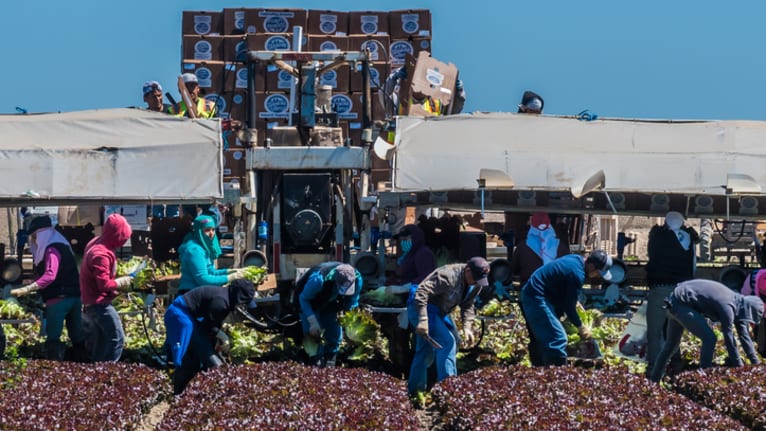
?Eswatini, in southern Africa, has been added to the list of countries eligible to participate in the H-2 visa programs for agricultural or seasonal workers, the U.S. Department of Homeland Security (DHS) announced. No other changes were made to the list of eligible nations.

Beginning Nov. 10, citizens from 86 countries are eligible for H-2A visas for agricultural work and citizens from 87 countries can apply for H-2B visas for typically low-skilled seasonal work. The eligibility designation expires after one year and must be renewed. The notice does not affect workers currently in H-2A or H-2B status unless they apply to change or extend their status.

The DHS considers several factors when deciding which countries to include for eligibility, including the country’s cooperation in receiving citizens who are subject to a final order of removal from the U.S. and the number of orders of removal executed against nationals of that country.

It has been common in previous years for countries to be removed from the eligibility list, but no countries were delisted for 2023. Reasons to remove a country from the list include fraud, abuse, visa denial rates, overstay rates, human trafficking concerns, and noncompliance with H-2A and H-2B terms and conditions by nationals of that country, as well as evidence of economic impact on U.S. industries or regions resulting from the inclusion or exclusion of specific countries.

For example, Moldova was removed from the list of H-2A-eligible countries for 2022 due to evidence of “agents recruiting applicants for H and J visas in Moldova collecting recruitment fees prohibited under U.S. law” and “increasingly sophisticated levels of fraud by Moldovan nationals seeking to obtain H-2A visas with a photocopy of a bona fide unnamed petition and fraudulent work contracts.”

The Dominican Republic was removed from participating in the H-2B visa program for 2019 because it was estimated that nearly 30 percent of H-2B visa holders from the Dominican Republic had overstayed their visas in a previous year. However, overstay rates then decreased, and program eligibility was returned to the Caribbean nation in 2022.

Updated List of H-2-Eligible Countries

Nationals of the following countries are eligible to participate in both the H-2A and H-2B visa programs through Nov. 10, 2023: Andorra, Argentina, Australia, Austria, Barbados, Belgium, Bosnia and Herzegovina, Brazil, Brunei, Bulgaria, Canada, Chile, Colombia, Costa Rica, Croatia, Cyprus, Czech Republic, Denmark, the Dominican Republic, Ecuador, El Salvador, Estonia, Eswatini, Fiji, Finland, France, Germany, Greece, Grenada, Guatemala, Haiti, Honduras, Hungary, Iceland, Ireland, Israel, Italy, Jamaica, Japan, Kiribati, Latvia, Liechtenstein, Lithuania, Luxembourg, Madagascar, Malta, Mauritius, Mexico, Monaco, Montenegro, Mozambique, Nauru, the Netherlands, New Zealand, Nicaragua, North Macedonia, Norway, Panama, Papua New Guinea, Peru, Poland, Portugal, Romania, Saint Lucia, San Marino, Serbia, Singapore, Slovakia, Slovenia, the Solomon Islands, South Africa, South Korea, Spain, St. Vincent and the Grenadines, Sweden, Switzerland, Taiwan, Thailand, Timor-Leste, Turkey, Tuvalu, Ukraine, the United Kingdom, Uruguay and Vanuatu.

In addition, Paraguay is on only the list of H-2A-eligible nations, and Mongolia and the Philippines are only eligible to participate in the H-2B program.

DOL Updates H-2A Visa Program for Farmworkers

?The U.S. Department of Labor (DOL) issued new regulations amending the H-2A agricultural guestworker visa program, making changes to how prevailing wages are formulated, modernizing how the application and certification process is conducted, and improving standards for employment conditions.

The final rule—stemming from a proposed rule by the Trump administration in 2019—will go into effect Nov. 14.

DOL Secretary Marty Walsh said the updated regulations will strengthen protections for workers and simplify the H-2A application and temporary labor certification process for employers. The final rule will also enhance the DOL’s enforcement capabilities against program fraud and abuse, he noted.

The H-2A program allows agricultural employers to hire foreign guestworkers for up to three years for seasonal and temporary jobs. The program has no annual caps and has been steadily growing in recent years. The DOL issued more than 250,000 H-2A visas in fiscal year 2021, up from fewer than 60,000 a decade earlier.

“Employers for years have been looking for this program to be more flexible, streamlined and cost-effective, especially as it has continued to grow tremendously,” said Kristi Boswell, an attorney in the Washington, D.C., office of Alston and Bird, and former senior advisor at the U.S. Department of Agriculture, where she was part of the team that drafted the 2019 proposed rule.

Except for requiring electronic application filing, many of the provisions intended to make the program more flexible and effective were stripped out of the final rule issued by the Biden administration, Boswell said.

“The final rule shows that the DOL is focused on concerns about the treatment of workers, protection of the U.S. workforce and increased enforcement,” she said. But she added that there were several measures missing from the final rule which would have benefited employers, including:   

  • A flexible 14-day window for workers to start work to mitigate unpredictable circumstances like weather which can delay planting and harvesting. “Sometimes strawberries are not ready for picking on the predetermined day listed on the application,” Boswell said.
  • The opportunity to file one application for multiple dates of entry within a 120-day period. Many farmers do not need their entire workforce at the very beginning of the season, and under current H-2A regulations, farmers have to file separate applications if they want to spread out the arrival of their employees, which requires additional time and fees spent on processing.
  • The ability to request post-certification amendments to help farmers place workers where they are needed based on changing circumstances.

Key Provisions of the Final Rule

Mandatory e-filing. The DOL will require electronic filing of applications via a centralized online system, codifying what most employers already do by choice. Currently, nearly all employers file electronically since the option became available in 2019, but the new rule will eliminate the paper mail-in option except for employers that are unable or limited in their ability to use or access electronic forms as result of a disability or lack of access to e-filing. 

This requirement is intended “to reduce costs and burdens for most employers, improve the quality of applications, reduce the frequency of delays associated with deficient applications, and better facilitate interagency data-sharing,” Walsh said.

Joint employment. The DOL will treat employers that operate jointly as such even if they don’t file H-2A applications together and broaden liability for all employers in the shared employment relationship. That would include farmers hiring labor contractors and employers applying for workers via an agricultural association.

“It’s a clear signal that the DOL wants to expand the responsibility to anyone participating in the program and will be investigating employment relationships more closely to make sure everyone is abiding by the rules,” Boswell said. “I think the rub for employers is that there are already a lot of protections in the program, and employers would rather the bad actors be punished for violations rather than broadening enforcement to everyone.”   

On the other hand, the new rule permits a group of employers possessing the same need for agricultural labor to file a single application and job order to jointly employ workers in full-time employment.

“This provision is intended to provide small employers who cannot offer full-time work for their H-2A employees with an opportunity to participate in the H-2A program and ensure each employer will be held jointly liable for compliance with all program requirements,” Walsh said.

Boswell agreed that the provision is a positive step, especially for small growers who only need workers for a few days. “It’s challenging for small farmers to put in the capital needed for housing and visa processing, and this will allow these employers to share overhead costs and transfer workers among their farms.”

Housing standards and inspections. Employers must provide housing that meets federal safety standards or place workers in rental or public accommodations at no cost to H-2A workers.

Under current regulations, employers are required to obtain annual preoccupancy inspections of their housing before labor certification. This requirement can lead to delays in the labor certification process, given the high demand for inspections and the finite resources of the state workforce agencies that conduct the inspections.

The 2019 proposed rule would have allowed state agencies to inspect and certify employer-provided housing for up to two years, with employers conducting self-inspections of the housing during that time frame, Boswell said.  

Employers and some state agencies expressed support for the measure, saying it would reduce delays in the certification process. Critics of the proposal stated that employer-provided housing often fails to meet health and safety standards, and that more inspections are needed—not fewer—especially when workers are placed in rental housing.

Overcrowding is one of the most common problems encountered when inspecting hotels or motels used to house H-2A workers, Walsh said. “Workers have been found to be required to share a bed, sleep on the floor in a sleeping bag, share a single room where as many as eight people may be sleeping, or sleep on mattresses on the ground. In addition, hotels and motels may not have sanitary facilities or adequate cooking equipment, which can lead to worker health issues, rodent or pest infestations, and fire hazards. Workers housed in hotels and motels also may not have access to laundry facilities, a serious concern for workers whose clothing regularly comes into contact with pesticides or herbicides.”

Expanded prevailing wage surveys. The rule codifies previous guidance issued to the state workforce agencies and expands the number of survey providers to include additional state sources such as colleges and universities, to encourage more prevailing wage survey findings. The prevailing wage is defined as the average wage paid to similarly employed workers in a specific occupation in the same area of employment.

The DOL has retained the requirement that employers seeking H-2A visas must pay the highest of the adverse effect wage rate (AEWR), the prevailing wage, the agreed-upon collective bargaining wage, or the federal or state minimum wage. The AEWR is the average hourly wage rate for field and livestock workers, as measured by the Department of Agriculture’s Farm Labor Survey.

“In reality, the vast majority of workers are getting paid the AEWR, which is typically the highest,” Boswell said. But prevailing wages are used in a few states, such as in the Pacific Northwest, where they can top the AEWR, she noted.  

“Employers are worried that expanding who can conduct prevailing wage surveys will put the statistical validity of these surveys into question,” she said. “These are sophisticated surveys, and who will be making sure that they are being done accurately?” 

A separate proposed rule issued by the Biden administration in December 2021 would change the way that AEWRs are calculated, basing them on wages paid to workers by occupation rather than geographic areas. The proposal reflects the DOL’s concern that the current AEWR methodology for field and livestock workers may have an adverse effect on the wages of workers in higher-paid agricultural occupations, such as supervisors and construction laborers.

The American Farm Bureau Federation has said that the proposed changes would make the H-2A program too costly for many smaller employers that rely on temporary guestworkers.

That proposal is still under review.

Subscribe to our Newsletter