DHS to Double H-2B Visas in FY2023

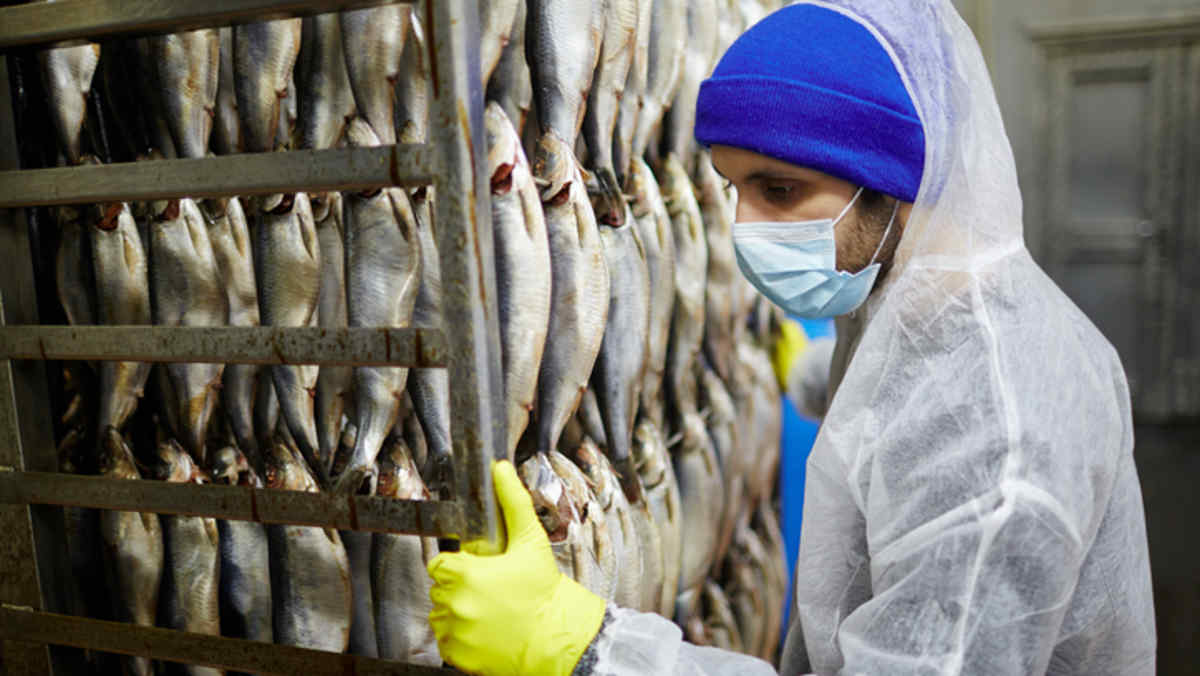
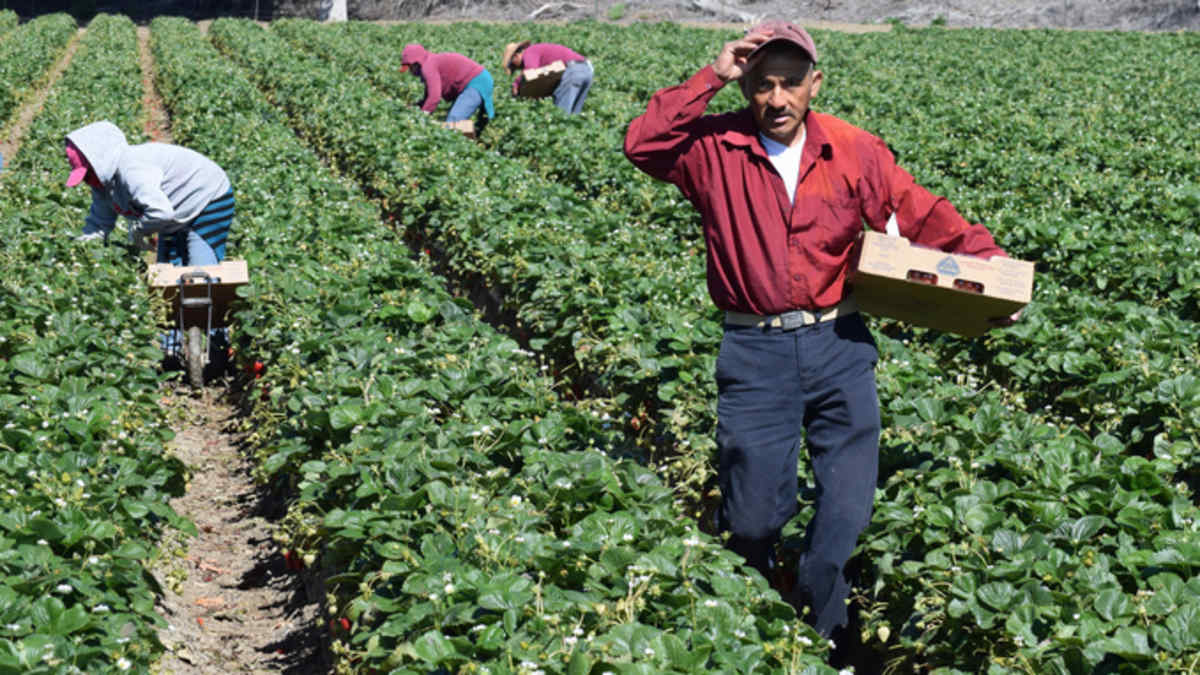
?The Department of Homeland Security (DHS) is doubling the number of temporary work visas used in the seasonal hospitality and landscaping industries to help employers deal with ongoing labor shortages over the next year.

DHS will provide an additional 64,716 H-2B temporary worker visas for the 2023 fiscal year beginning Oct. 1, on top of the 66,000 H-2B visas already available each fiscal year, split evenly between the fall/winter and spring/summer seasons.

The H-2B visa increase includes an allocation of 20,000 visas to workers from El Salvador, Guatemala, Haiti and Honduras to expand legal pathways as an alternative to illegal migration.

The remaining 44,716 extra visas will be available to returning workers who received an H-2B visa, or were otherwise granted H-2B status, during one of the last three fiscal years.

“At a time of record job growth, this full year allocation at the very outset of the fiscal year will ensure that businesses can plan for their peak season labor needs,” said Secretary of Homeland Security Alejandro Mayorkas.

“This is huge,” said Gray Delany, executive director of the Seasonal Employment Alliance in Washington, D.C. “This visa release is critical to filling the workforce gap faced by seasonal employers, and bravo to DHS for understanding the harm caused by the delays in previous releases. Employers should get their workers on time from this release.”

Tim Hygh, the executive director of the Mackinac Island Tourism Bureau in Michigan, said the additional visas “give our members a better chance of getting employees and allows the amount of time it takes to get these employees processed and to the island in time to start the season next April.”

U.S. Travel Association President and CEO Geoff Freeman applauded the decision as well. “This announcement—the largest ever supplemental visa release—is a lifeline for an industry whose workforce shortage tops a million open positions,” he said. “This will provide the travel industry with thousands of workers ahead of the peak travel season, allowing businesses to adequately prepare for a surge in demand.”

Mayorkas also announced the creation of the H-2B Worker Protection Taskforce, which will focus on protections for U.S. and foreign workers, including ensuring that employers first seek out and recruit U.S. workers for the jobs to be filled, and that foreign workers are not exploited or abused by employers.

Current regulations require employers seeking H-2B workers to test the U.S. labor market and certify that there are not enough U.S. workers who are able, willing, qualified and available for the offered positions, and that employing H-2B workers will not adversely affect the wages and working conditions of similarly employed U.S. workers.

In the coming weeks, DHS is expected to publish a temporary final rule setting forth eligibility and filing requirements for the supplemental H-2B visas and detailing any additional worker protections.

Freeman said the U.S. Travel Association supports permanently increasing the H-2B visa cap. “We will continue to call on Congress to enact a permanent expansion of the H-2B program,” he said.

USCIS Extends Validity of Expired Green Cards for Renewal Applicants

?Individuals who file for a renewal green card, including workers in employment-based visa status, can now rest a little easier after their expired green cards were granted an additional year of extended validity by U.S. Citizenship and Immigration Services (USCIS).

As of Sept. 26, the validity of permanent resident cards was extended from 12 months to 24 months for lawful permanent residents who have filed an application to renew their green card.

“Individuals with lawful permanent residence status are eligible for the extension if they properly file a Form I-90, Application to Replace Permanent Resident Card, to renew a green card that has expired or will expire soon,” said Yvonne Toy, an attorney with Corporate Immigration Partners in San Francisco. “USCIS has updated the language on Form I-90 receipt notices to reflect this change.”

USCIS made the change in policy to provide applicants who were experiencing lengthy I-90 processing times with more security and prevent disruptions to employees’ work authorization status or their ability to travel internationally and re-enter the United States. A valid green card is essential for re-entry to the U.S. following international travel and for initially proving work authorization.

When completing the Form I-9, new employees may present their expiring or expired green card with the I-90 receipt notice as a List A document that extends the validity of the card for 24 months from the card’s expiration date, Toy said.

“In most cases, you are authorized to travel abroad and re-enter the U.S. based on an expired green card together with the Form I-90 receipt, but be sure to consult with your attorney,” she said.

Toy added that people who have lost a green card and are awaiting a replacement card can contact the USCIS Contact Center to request an appointment at a field office.

“An Alien Documentation, Identification, and Telecommunications stamp may be issued to show evidence of lawful permanent resident status” while waiting for a replacement card, she said.

Pay Transparency Creates New Challenges for Employers Sponsoring Foreign Workers

?

Employers that sponsor foreign nationals for green cards using the PERM labor certification process have a critical new step to be aware of as a growing number of states and localities pass salary transparency laws.

New York City’s law requiring minimum and maximum salary in job advertisements goes into effect Nov. 1, joining those of Colorado (enacted Jan. 1, 2021), Washington state (effective Jan. 1, 2023) and California (also effective on Jan. 1, 2023). New York Gov. Kathy Hochul is reviewing another similar law for New York state.

Other states have pay transparency laws that require salary disclosure at later points in the hiring process. Some, like Connecticut, Nevada and Rhode Island, require employers to proactively disclose salary ranges to candidates during the hiring process but not in job listings, while other jurisdictions, such as Maryland and Cincinnati, require employers to provide pay ranges to candidates upon request. It is likely that additional states and cities will consider similar pay transparency laws in the future.

What do these disclosures have to do with PERM, the process overseen by the Department of Labor (DOL) whereby employers sponsor foreign workers for permanent residence, also known as green cards?

The PERM regulations include a series of steps that employers must follow, including advertising the job opening and establishing that the employer will pay the prevailing wage for the location in that occupational field.

“This process is designed in part to protect the U.S. worker by ensuring that employers demonstrate that they are unable to find a qualified, willing, able and available U.S. worker to fill the position before permanent residency is granted,” said John Medeiros, an attorney and head of corporate immigration in the Minneapolis office of Nilan Johnson Lewis. “In other words, the employer must conduct an extensive recruitment campaign.”

Part of that campaign is advertising the position through newspapers, employer career sites and job posting websites.

Federal PERM regulations do not require salary disclosures in any job postings, explained Andrew Wilson, a partner at Lippes Mathias Wexler Friedman and co-leader of the firm’s immigration practice in Buffalo, N.Y. “But salary disclosure is required in a notice of filing,” he said. “That’s an internal notice posted at the worksite. It lets current workers know that a PERM worker is being pursued for the role and includes the salary range for that role.”

Unfortunately for employers, complying simultaneously with the PERM process and state and local pay transparency requirements could be problematic, Medeiros said. “Employers that sponsor workers for permanent residency should carefully consider the interaction between their pay transparency compliance and PERM postings and recruitment obligations.”

He explained that one potentially thorny issue is that because the DOL’s prevailing wage can be higher than employer salary ranges, “an employer may be faced with the unappetizing prospect of having PERM advertisements that have a far higher salary range than non-PERM postings in similar positions. Further, the PERM posting may force the employer to increase the compensation range on non-PERM postings if the employer plans to hire a worker and pay that worker above the prevailing wage. This could create challenges throughout the employer’s compensation structure.”

Wilson agreed that employers are usually uncomfortable publicizing pay ranges, and in this case, depending on the size of the organization, people could figure out which of their colleagues is being sponsored for a green card and then compare that person’s salary to their own. In almost all cases, foreign workers being sponsored for green cards by their employer are already onsite, working under a temporary immigration status.

Wilson said that aside from the discomfort felt from sharing the pay ranges for open roles, the bigger issue is likely to be that the people who typically manage the PERM process have a brand-new step to think about. They may not even know that step exists.   

“Immigration attorneys or the internal staff that initiate PERM proceedings may not have external job postings with salary ranges on their mind or their checklist because they have never done that before,” he said. “It’s not necessarily a huge hurdle to overcome, but it’s new and not part of the routine yet. There are different pay transparency rules in different jurisdictions, and it will catch someone off guard if they’re not careful. Those preparing PERM cases can’t move forward with PERM advertising without checking what the local laws are to see whether a salary range is required.”

Wilson added that the Colorado Department of Labor and Employment has acknowledged that the state’s wage disclosure requirement would not be enforced for PERM advertisements because this law conflicts with federal labor certification regulations. It is not yet clear what New York City, Washington state, California or other states and localities with pay transparency laws will decide on this issue.

And employers should not expect federal guidance to be forthcoming. “The federal DOL is not likely to comment on any of this, as it’s a state and local issue,” Wilson said.

5th Circuit Rules DACA Illegal

?The 5th U.S. Circuit Court of Appeals ruled Oct. 5 that the Deferred Action for Childhood Arrivals (DACA) program protecting about 600,000 immigrants from deportation is illegal but allowed the program to remain as is while a review and likely appeal go forward.

In the meantime, the Department of Homeland Security will continue to accept the filing of both initial and renewal DACA applications but process only the DACA renewal requests.

We’ve rounded up articles from SHRM Online and other outlets to provide more context on the news.

Sent Back to Texas

The appellate court decision affirmed a 2021 ruling from the U.S. District Court in Houston, which found that former President Barack Obama exceeded his authority when he created the DACA program by executive action in 2012.

The 5th Circuit court sent the case back to the district court in Houston to consider a new Biden administration policy issued in August to protect the program. It is expected that the case will ultimately go to the U.S. Supreme Court.

(The New York Times)

Biden Issues Final Rule to Preserve DACA

The Biden administration announced a final rule codifying the DACA program for undocumented immigrants brought to the U.S. as children, a move aimed at strengthening the program against legal challenges. The rule will apply only to DACA renewal requests, not to new applications, as the program remains closed to new entrants.

The regulation is scheduled to take effect Oct. 31 and would temporarily allow over 611,000 immigrants to live and work in the U.S. legally without fear of deportation.

(SHRM Online)

Procedural Fix

The issuance of the final rule addressed the criticism that DACA had not gone through the formal rulemaking process, but other critics have questioned the authority to initiate the program at all, finding that only Congress has that authority. Experts said the regulation will help the Biden administration more successfully take on procedural challenges to DACA, but it won’t prevent more-substantive lawsuits.

(SHRM Online

Roller Coaster Ride

The DACA program has been in a precarious limbo ever since former President Donald Trump announced the decision to rescind it in 2017. It’s been kept alive by the courts since then and had most recently been fully reinstated in December 2020.

(SHRM Online)

Some Employers Are Still Unsure About Hiring ‘Dreamers’

With the ultimate fate of DACA up in the air, many employers are unsure about hiring those from this diverse talent pool, commonly referred to as “Dreamers.”

(SHRM Online)

DHS Issues Final Rule to Preserve DACA

?The Biden administration announced a final rule codifying the Deferred Action for Childhood Arrivals (DACA) program for undocumented immigrants brought to the U.S. as children, a move aimed at strengthening the program against legal challenges.

The regulation, announced Aug. 24, would take effect Oct. 31 and would temporarily allow over 611,000 immigrants to live and work in the U.S. legally without fear of deportation. The program has been governed by an executive memo since its inception in 2012.

We’ve rounded up articles from SHRM Online and other trusted outlets on the news. 

Rules Remain the Same

The regulation issued by the Department of Homeland
Security (DHS) will maintain the long-standing eligibility rules for DACA, which include requirements that applicants prove they arrived in the U.S. by age 16 and before June 2007; studied in a U.S. school or served in the military; and lack any serious criminal record.

In addition to continuing to be eligible for a renewable, two-year work permit, DACA recipients will be considered to be “lawfully present” in the U.S. for the purposes of other immigration applications.

(CBS News

Renewals Only

The rule will apply only to DACA renewal requests, not to new applications, due to a July 2021 injunction from the U.S. District Court for the Southern District of Texas, which barred the granting of new requests for DACA status. The 5th U.S. Circuit Court of Appeals is expected to issue an opinion on DACA’s legality later this year, which could reopen the program to new applications. If not, the Biden administration could appeal the ruling to the U.S. Supreme Court.

(Bloomberg Law

Procedural Fix

The issuance of the final rule addresses the criticism that DACA had not gone through the formal rulemaking process, but other critics have questioned the authority to initiate the program at all, finding that only Congress has that authority. Experts said the regulation will help the Biden administration more successfully take on procedural challenges to DACA, but it won’t prevent more-substantive lawsuits.

(SHRM Online) 

Roller Coaster Ride

The DACA program has been in a precarious limbo ever since former President Donald Trump announced the decision to rescind it in 2017. It’s been kept alive by the courts since then and had most recently been fully reinstated in December 2020.

(SHRM Online

Some Employers Are Still Unsure About Hiring ‘Dreamers’

With the ultimate fate of DACA up in the air, many employers are unsure about hiring those from this diverse talent pool, commonly referred to as “Dreamers.”

(SHRM Online)

H-1B Visa Cap Reached for FY 2023

?The annual H-1B visa quota of 85,000 for the next fiscal year has been met.

U.S. Citizenship and Immigration Services (USCIS) announced Aug. 23 that it has received enough petitions to fulfill the 65,000 H-1B visa cap and the 20,000 H-1B visa advanced degree cap for fiscal year (FY) 2023, which begins Oct. 1.

In March, employers submitted 483,927 registrations for the FY 2023 quota. USCIS selected 127,600 of these registrations—about 26 percent—to meet the quota. The agency typically selects more petitions than are needed to meet the quota to account for employers that don’t follow through on the petition process, as well as cases that are denied, rejected or withdrawn.

“USCIS has been sending nonselection notices to registrants’ online accounts,” said Amy Peck, an attorney in the Omaha, Neb., office of Jackson Lewis. “USCIS can only send nonselection notices once it has determined that enough petitions have been received. Properly submitted registrations that did not make it will show as ‘Not Selected’ in their accounts. Others may still show as ‘Submitted’ but it is likely that those too will start to show as ‘Not Selected’ in the days to come as the agency completes its process.”

USCIS will continue to accept petitions for employment that are not subject to the annual cap, including extensions of stay, changes of employer, amended petitions and employment that is exempt from the annual quota.

Employers can reregister foreign workers who were not selected for an H-1B visa when the FY 2024 cap season begins in Spring 2023.

USCIS Must Address Ballooning Backlogs, Ombudsman Says

?Severe and growing backlogs, inadequate funding and an increasing number of lawsuits continue to plague the agency that oversees the processing of employment visas for foreign workers.

The public’s liaison to U.S. Citizenship and Immigration Services (USCIS) said that reducing application backlogs and delays must be the agency’s top focus. According to the Office of the Citizenship and Immigration Services (CIS) Ombudsman, an independent office within the Department of Homeland Security, there were 8.5 million pending applications at USCIS as of April, and over 5 million of those were pending beyond their deadlines. By comparison, the backlog was around 2.7 million in July 2019.

“USCIS has always had its share of backlog issues, but none so severe in recent memory as the ones it currently confronts,” said CIS Ombudsman Phyllis Coven. “These lengthy processing times and the high number of unadjudicated cases—created out of the pandemic’s unprecedented effect on [the agency’s] ability to operate, insufficient revenue and employee attrition—have had a massive snowball effect on the agency’s operations.”

USCIS is setting aggressive processing goals going forward, she said, as well as trying to mitigate the pain points for applicants and petitioners in the meantime so that they may work without fear of losing their immigration status.

Yearslong Delays Exacerbate Waits

USCIS acknowledges that the increase in processing times and the growth of backlogs is a complex problem years in the making, but the shutdown of in-person operations in March 2020 due to the COVID-19 pandemic kicked off a destructive spiral.

“The pandemic led to a 40 percent reduction in immigration filings submitted between March and May 2020, which significantly reduced the agency’s cash flow,” said Ashley Kerr, an attorney in the Columbia, S.C., office of Ogletree Deakins. “This precipitous drop in revenues caused USCIS to twice notify over two-thirds of its staff of a potential furlough due to its anticipated inability to meet payroll expenses.”

The furlough was narrowly avoided in August 2020, but it’s been reported that many employees left the agency anyway, worried about job security.

Kerr added that while the pandemic obviously exacerbated processing delays at USCIS, “some believe that the pandemic revealed potential inefficiencies within the agency. While some factors may have been outside of USCIS’ control, the processing delays for millions of immigration cases may also partly be due to the agency’s policies.”

Data published by Syracuse University found that over 6,000 lawsuits will have been filed against the federal government by the end of fiscal 2022 to compel action from USCIS on individual cases. This is a 50 percent increase in lawsuits compared with the previous fiscal year.

“Lawsuits asking courts to order government employees to decide long-pending immigration filings have increased sharply in the past year,” said Leslie Dellon, a senior attorney at the American Immigration Council in Washington, D.C. She added that people facing delays may view lawsuits as their only means of receiving a decision when they hear nothing back from agencies for months or even years.

“While USCIS is doing much to reduce its backlogs, it is unlikely to change as quickly as the

agency intends,” Coven said. “Focusing only on reducing the backlogs themselves fails to timely address the systemic problems that backlogs have created. The agency must continue to address both.”

Process and Staffing Changes

Experts agree that USCIS needs both operational changes such as improvements to the employment authorization document (EAD) renewal process and increased funding and staffing in order to improve the agency’s functioning.

Kerr said that because “chronic underfunding and understaffing” issues at the agency lead to missed targeted processing times, the ombudsman has recommended that USCIS re-engineer its fee review process to reduce the cycle times for future filings and also hire sufficient staff to eliminate its backlog of cases.

“Fortunately, USCIS has requested additional congressional appropriations for the next fiscal year and is hiring additional employees to address these backlogs, which are critical steps to reducing the overall processing times for both pending and future immigration applications,” she said.

Kerr explained that 97 percent of the agency’s operating budget is derived from the filing fees that are collected with immigration applications. When USCIS forecasts the costs of providing services to process applications, its financial modeling relies on past data, and the process of proposing filing fee adjustments takes time and involves many steps, including a fee review study and a public comment period. The latest fee change proposal took about 2.5 years from start to finish.

Coven said that the agency is working on an ambitious hiring goal of 4,400 positions by the end of 2022. She also recommended changes to the agency’s fee-for-service funding model, including re-engineering the agency’s biennial fee review process “to ensure they fully and proactively project the amounts needed to meet targeted processing time goals for future processing as well as backlog adjudications. Having the right number of staff and ensuring that they receive the robust training they need must be one of the agency’s highest priorities.”

A proposed rule seeking to increase fees and recover USCIS’ recent operating costs is expected from the agency in September.

Processing EADs

Many foreign workers require EADs to work in the U.S. USCIS is currently experiencing an unprecedented backlog for EADs, including initial and renewal applications.

“Delays in renewing EADs interrupt employment for noncitizens who have already proven themselves eligible while simultaneously interrupting the ability of U.S. businesses to employ their workforce continuously,” Coven said.

USCIS has committed to reducing EAD processing times, and Coven has recommended additional improvements to allow for uninterrupted work authorization for eligible, previously approved workers, including:

  • Building on existing automatic extension periods to allow for uninterrupted work authorization while the agency adjudicates a renewal EAD application.
  • Providing better options for foreign spouses to renew their employment authorization.
  • Allowing applicants to file for renewal EADs earlier.
  • Continuing to expedite EAD renewals for workers in certain occupations. USCIS has expedited renewal applications for health care and child care workers, for example, and fast-tracking EADs for supply chain workers may be another area to explore, Coven said.
  • Exploring more automation of EAD processing.

“USCIS has taken some steps to lessen the impact of EAD processing delays,” Dellon said. “It has lengthened the automatic extension of work authorization for timely filed renewals in certain categories from 180 days after expiration to 540 days.”

The agency also extended the validity period for EADs based on a pending adjustment-of-status application from 1 year to 2 years, reducing the need for a renewal as USCIS processes the underlying application.

Digital Future

The lack of a digital filing option and the continued reliance on paper-based processes have been major contributors to the agency’s immigration case backlog, experts agree.

Coven reported that USCIS’ ongoing efforts to expand online filing and electronic processing—15 years in the making—is nearing a turning point.

Twelve USCIS forms are now available for online filing, and the agency plans to offer “end-to-end online filing and processing for all immigration forms by the end of fiscal year 2026,” she said.

In 2021, EAD applications—the most frequently filed immigration benefit—were added to the agency’s online offerings.

Coven recommended that USCIS make developing an application programming interface, or an API, an immediate priority so that more immigration attorneys and companies that process benefits forms can easily transfer data to agency systems.

“Many attorneys, accredited representatives and other high-volume immigration benefit filers generally do not file online because the USCIS system is cumbersome and inefficient,” she said.

Worker Advocates Argue H-2 Visa Programs Need Serious Reforms

?Foreign guest workers who use the H-2A and H-2B temporary visa programs need better labor protections, according to experts who testified before the House Subcommittee on Workforce Protections on July 20.

“Workers apply for H-2 visas to achieve economic opportunity, to escape poor working conditions, and, ultimately, with a hope that their employment can lead to a better life in America,” said Rep. Alma Adams, D-N.C., who chaired the hearing. “Regrettably, the programs too often fail to deliver on these goals.”

Daniel Costa, director of immigration law and policy research at the Economic Policy Institute in Washington, D.C., said that the U.S. government is failing to meet basic labor standards and provide basic rights to workers in the growing H-2A and H-2B visa programs. The H-2A visa program—the main focus of the hearing—is for seasonal jobs in agriculture, while the H-2B program is for seasonal jobs outside of agriculture.

“Although migrants coming to the United States through temporary work visa programs are legally authorized to work, they are among the most exploited laborers in the U.S. workforce because employer control of their visa status leaves many powerless to defend and uphold their rights,” Costa said. The flaws in the H-2 visa programs are systemic and structural, he said, listing abuses like charging workers exorbitant recruitment fees, keeping them in debt bondage, underpaying workers and allowing abuses to occur, as seen in the Operation Blooming Onion case.  

Rep. Fred Keller, R-Pa., characterized the hearing as Democrats “missing the forest for the trees.” He said that while the H-2 programs do need reforms—especially streamlining regulations for efficiency—discussing the relatively small visa programs “makes little sense” as the growing number of undocumented workers being hired outside legal channels undermines H-2 guest workers and the organizations that employ them.

Leon Sequeira, an attorney representing employers of H-2A and H-2B workers, and a former U.S. Department of Labor (DOL) official serving under President George W. Bush, defended the programs, asserting that H-2A and H-2B workers “may be the most protected workers in the entire economy,” due to all the regulations pertaining to their employment.

“Despite efforts, there will be some employers who do not follow the requirements of these programs, and when that happens no one will dispute that those employers should be held liable for violations,” he said. “But DOL enforcement data shows that only a small fraction of employers violate requirements and that most violations are technical paperwork violations.”

Growth of Guest-Worker Programs

The H-2 temporary work visa programs are meant to help U.S. employers fill vacant jobs, especially when there is a shortage of local workers interested in those jobs.

The H-2A program is uncapped, and visas are valid for up to one year and can sometimes be renewed. H-2B visas are capped at 66,000 per year, for the duration of the job, with possible extensions up to three years.

Costa said that despite the popular narrative that the Trump administration “cracked down” and limited the number of people immigrating to the U.S., temporary worker programs grew during the Trump years. The number of guest workers in the U.S. grew by 13 percent between 2016—the last year of the Obama administration—and 2019, before the COVID-19 pandemic. He pointed out that the expansion of the programs is part of a longer-term trend dating back 30 years to when they were first created in the 1980s.

The combined number of H-2A and H-2B visas issued in fiscal year 2021 was just under 353,000. The size of the H-2A program has more than tripled since 2012, from 65,000 visas issued then to nearly 258,000 in 2021. The number of H-2B workers is set to reach a new high this year as well, due to the addition of 55,000 supplemental visas.

Lack of Protection

Costa and others testified about several areas of potential abuse of guest workers in the U.S., beginning even before they arrive. “Many are required to pay exorbitant fees to labor recruiters to secure U.S. employment opportunities, even though such fees are usually illegal,” he said. “Those fees leave them indebted to recruiters or third-party lenders, which can result in a form of debt bondage.” He added that some workers may arrive in the country and find out the jobs they were promised don’t exist, and in some cases become victims of human trafficking.

He said that there is abundant evidence that temporary guest workers are often legally underpaid or suffer from other violations of labor laws. This has happened partly because the number of Wage and Hour Department and other DOL investigations of H-2 employers has declined sharply since 2000. And when investigations are conducted, wage and hour violations are found in 70 percent of cases, Costa said. Data shows that wage theft is a massive problem in the major H-2B industries as well, he said.

Egregious cases of abuse, such as those found in the Operation Blooming Onion investigation, present tremendous dangers for farm workers and H-2A guest workers, said Teresa Romero, president of the United Farm Workers union. “The allegations in the Blooming Onion case are devastating and include criminal charges for multiple deaths, rape and forced labor,” she said. “The Blooming Onion case demonstrates not just the inherent flaws of the H-2A program, but also the government’s inability to effectively enforce the modest H-2A protections that do exist.”

Romero said that temporary foreign farmworkers fear retaliation and deportation if they speak up about wage theft, workplace abuses or other substandard working conditions because of their vulnerable immigration status.

Defense of the H-2 Visa

Sequeira pushed back on the allegations, saying that while the H-2 programs “are far from perfect,” they are a critical lifeline to thousands of farms and businesses across the country with a temporary or seasonal need for labor each year.

“The H-2A and H-2B guest-worker programs are highly regulated and provide good jobs enabling workers to learn skills, gain experience and earn a significant amount of money to support their families abroad,” he said.

Sequeira added that H-2 guest workers are paid wages set and approved by the DOL and are offered numerous benefits and protections that U.S. workers in the same roles are not required to receive, such as free housing and daily transportation to and from the worksite.

“Some critics even claim that H-2 workers are somehow trapped and cannot leave their employer, but such claims are simply not true,” he said. “Guest workers are free to change from one H-2 employer to another, and thousands do so every year. No H-2A or H-2B guest worker is required to continue working some place they do not want to work.”

As for enforcement, Sequeira said that analysis of DOL data reveals that a “relatively small number of employers is responsible for the vast majority of violations. When that enforcement data is placed in context, it is readily apparent that the overwhelming number of employers follow the law, treat their employees with respect, and provide the pay and benefits those employees are due.”

He added that the major frustration among his clients is that they “go through the trouble to legally hire guest workers through these programs, pay prevailing wages, and end up being audited by the DOL and nitpicked over small violations, while competitors who hire undocumented workers are usually not targeted for enforcement. That’s where the imbalance lies.”

Solutions

Romero said that there are several pieces of legislation pending in Congress that would address some of the H-2A program’s flaws, including the Farm Workforce Modernization Act, a bipartisan bill that includes recruitment protections for H-2A guest workers; coverage of those workers by the Migrant and Seasonal Agricultural Worker Protection Act; and a path to lawful permanent residency. It also lays out a path to legal status for undocumented farmworkers, reforms the H-2A visa program to provide more flexibility for employers and requires nationwide E-Verify use for all agricultural employment once legalization has been phased in.

She also called for the Biden administration to introduce a federal heat standard to protect farmworkers from heat-related death and illness and new rulemaking to substantially reform the H-2A program.

Regarding the H-2B program, Costa recommended Congress pass the Seasonal Worker Solidarity Act, which would improve the process for recruitment of U.S. workers, improve and enhance enforcement of labor standards, and provide H-2B workers with a path to permanent residence that they control.

White House Immigration Goals Focus on H-1Bs, Fees and DACA

?Over the next several months, the Biden administration plans to work on policy proposals that continue the reformation of the H-1B visa program for professional foreign workers—including raising the wages of those workers—as well as increasing application and petition filing fees for a range of immigration benefits.

Federal agencies announce their agendas in intervals throughout the year; the latest updates are for proposals roughly scheduled for the end of the year and in 2023, though agencies often extend their deadlines.

H-1B Visa Program Reforms

U.S. Citizenship and Immigration Services (USCIS) intends to offer a rule amending aspects of the H-1B visa program first proposed by the Trump administration.

The proposal has been postponed since December 2021 and is now scheduled for May 2023.

According to USCIS, the rule will:

  • Redefine the H-1B employer-employee relationship.
  • Establish new guidelines for employer site visits.
  • Clarify rules for F-1 students awaiting a change of status to H-1B.
  • Clarify the requirement that an amended or new H-1B visa petition be filed if there are material changes to employment, including a new worksite location.

Wage Increases

The Department of Labor (DOL) continues to plan to advance a new prevailing wage regulation, now scheduled for October, based on the public feedback it received in a request for comments conducted last year.

A final rule proposed by the Trump administration raising wages for workers with H-1B visas and employment-based green cards was slated to take effect on Nov. 14, 2022; however, it was vacated by a federal judge in June 2021. The rule was issued in January 2021 as one of the last regulatory actions of the Trump administration.

Another Trump-era proposal reallocating H-1B cap numbers to the highest-paid beneficiaries according to the DOL’s wage levels has been conclusively withdrawn by the Biden administration. President Biden expressed support for salary-based H-1B visa allocation during the 2020 election campaign.

B-1 Visa Proposal Reconsidered

The Department of State revealed that it is now reconsidering its previous proposal to eliminate the practice of allowing foreign nationals to enter the U.S. with a B-1 business visa to perform short-term H-1B work. Originally proposed in October 2020 by the Trump administration, the rule would eliminate a long-standing policy that permitted foreign nationals to enter on a B-1 visa to perform short-term H-1B services in limited circumstances while remaining on a foreign payroll.

B-1 visas will continue to be issued to foreign nationals seeking to engage in permissible business activities, the department said.

L-1 Changes

USCIS showed renewed interest in its longer-term plans to propose amendments to the L-1 visa regulations. Specifically, the agency intends to revise the definition of specialized knowledge, clarify the definition of employment and employer-employee relationship, and potentially impose wage requirements for L-1 visas. A proposed regulation is tentatively scheduled for June 2023.

Immigration Fee Increases

A USCIS proposal to update immigration filing fees is under review at the White House and is expected in September 2022. USCIS is almost entirely funded by applicant fees, which are necessary to administer immigration programs.

The agency most recently updated immigration fees by a weighted average of 21 percent in December 2016. Proposed fee increases in 2020 were blocked by immigration advocacy groups in court, who argued the increases were too high.

DACA Final Rule

A final rule codifying protections for the 600,000 recipients in the Deferred Action for Childhood Arrivals (DACA) program is under review at the White House, the last step before publication in the Federal Register. The rule is expected soon.

The Obama administration established DACA in 2012 to provide protections from deportation and authorization to work to undocumented immigrants brought to the U.S. as children. The program, which had not gone through the regulatory process, has faced multiple court challenges.

Most recently, a federal district court judge in Texas ruled that DACA was unlawful because it was implemented without formal rulemaking, but he left protections in place for the recipients currently in the program.

President Biden directed the Department of Homeland Security in January 2021 to take action to preserve and fortify DACA. The department published a notice of proposed rulemaking in September 2021.

Extra H-2B Visas Now Available for Summer Employment

?Employers in the U.S. may now apply for the recently released 35,000 H-2B visas made available for seasonal foreign guest workers this summer. The additional visas are for those starting work through Sept. 30.

Of the 35,000 visas, 23,500 will be available to returning H-2B workers and 11,500 will be reserved for nationals of El Salvador, Guatemala, Haiti and Honduras, regardless of whether they are H-2B returning workers. Returning workers are those who received an H-2B visa, or were otherwise granted H-2B status, during one of the last three fiscal years.

The H-2B guest-worker program, capped annually at 66,000 visas split evenly between the fall/winter and spring/summer seasons, is relied upon by the landscaping, hospitality and construction industries, among others. The H-2B cap for the second half of fiscal year 2022 was reached on Feb. 25.

“These additional H-2B visas will help employers meet the demand for seasonal workers at this most critical time, when there is a serious labor shortage,” said Department of Homeland Security Secretary Alejandro Mayorkas.

Jessica Feinstein, an attorney in the Omaha, Neb., office of Jackson Lewis, said the additional visas “should please some businesses, such as hotels, restaurants and other service providers in summer tourist areas. However, last year, despite the additional allocation, all the extra visas were snatched up quickly, except for a few left over from the Northern Triangle [El Salvador, Guatemala and Honduras] allocation.”

Tim Hygh, executive director for the Mackinac Island Tourism Bureau in Michigan, said the businesses of Mackinac Island are grateful for the release of the additional visas to boost the regional economy.

Hygh said he still expects disappointed employers and challenges to visa distribution. “There are approximately 100,000 [Department of Labor]-certified requests fighting over these additional 35,000 supplemental visas, so while this is a much-needed step forward, there are still over 60,000 proven requests that will go unanswered,” he said.

How to File

Employers seeking H-2B workers must test the U.S. labor market and certify in their petitions that there are not enough U.S. workers who are able, willing, qualified and available for the offered positions, and that employing H-2B workers will not adversely affect the wages and working conditions of similarly employed U.S. workers.

Businesses seeking new H-2B workers will need to engage in additional recruitment efforts, said Loan Huynh, an immigration attorney in the Minneapolis office of Fredrikson and Byron. Some of these actions include placing a new job order with the relevant State Workforce Agency for at least 15 calendar days; contacting the nearest American Job Center; and contacting former U.S. workers to solicit their interest in the jobs.

As with prior supplemental visa increases, employers will be required to attest and document that their business is at risk of irreparable harm without the additional workers.

“Recognizing the importance of strong worker protections, we will apply greater scrutiny to those employers who have a record of violating obligations to their workers and the H-2B program,” Mayorkas said.

Huynh added that employers will be able to hire workers who are already present in the United States in H-2B status without waiting for approval of the new petition, subject to certain conditions.

Subscribe to our Newsletter