

Strategies to Support Working Parents of Children with Developmental Disabilities

?Maintaining a healthy work/life balance is a challenge for many employees. But for Kay Lee Mynatt, it’s a necessity.

She is the mother of two children. Her youngest son, Spencer, 1, has Down syndrome. Mynatt takes Spencer to multiple therapy sessions per week—physical, occupational and speech—to boost his motor skills, strengthen his ability to walk, learn to feed himself and practice sign language to communicate.

“I’ve found that I need to fit both life and work in as full-time commitments—every day,” said Mynatt, a sales engagement coordinator at Voya Financial in Indianapolis. “Each day is different, so it’s a constant shuffle of my workload and what I need to do for Spencer.”

About 1 in 6 children ages 3 to 17 in the U.S. have one or more developmental disabilities, according to the Centers for Disease Control and Prevention. Many parents who serve as their children’s caregivers struggle to balance those responsibilities with maintaining a job.

When she found out about Spencer’s diagnosis, Mynatt was initially concerned that she wouldn’t have time to work. However, she has since learned to support her child and thrive in the workplace simultaneously—with the help of an empathetic employer who accommodates her needs.

“Caring for my kids and being with them as they grow are the best parts of my days,” she said. “But I’m still focused on, and interested in, growing in my career.”

‘Time Is Such a Valuable Resource’

In a 2021 study, researchers at the University of North Carolina at Charlotte found that parents of children with developmental disabilities experience high levels of stress that contribute to anxiety, depression and other poor health outcomes.

Experts at Portland State University and Indiana University also noted that these parents often:

  • Have to address frequent, intense and crisis-driven care needs for their children.
  • Experience stigmatization in many areas of life, especially those where their children are involved, such as community settings, mental health systems and schools.
  • Harbor concerns about their job security due to constant child care responsibilities.

For Mynatt, doctors’ visits and therapy sessions for her son occur throughout her workweek, causing her to constantly check her work and personal calendars to ensure everything fits. She has a lot on her mind, and the constant mental load of keeping everything straight can be difficult.

“Time is such a valuable resource,” she said. “And some days become too long to fit everything in.”

One way her employer helps is by allowing Mynatt to work remotely. She called working from home a “crucial part of me being able to balance it all.” This flexibility allows her to make the necessary doctors’ calls, provide firsthand care for her child, take him to appointments and still complete her work tasks.

“It’s important to remember that while my [work]days look different than many parents,’ I’m committed to making both work,” she said. “Trusting me to get my job done and being flexible on when and how that happens eases the worry that I am not doing enough.”

[SHRM Resources and Tools: Managing Work/Life Fit: Dependent Care and Elder Care]

7 Ways Employers Can Help

Craig Leen is an attorney with K&L Gates in Washington, D.C., and a former director of the Office of Federal Contract Compliance Programs. He is also a parent of someone with an intellectual and physical disability.

Leen said he constantly thinks about how he can help his 18-year-old daughter, Alex, thrive in school and enjoy life.

“For many caregivers of students with developmental disabilities, their caregiving role continues throughout their careers and retirement,” he explained. “That is why it is so key to provide a supportive and welcoming workplace for caregivers.”

In addition, Leen said supporting working parents of children with disabilities is “extraordinarily” important for employers. He noted that the U.S. Equal Employment Opportunity Commission and Department of Labor have begun focusing more on caregivers from a compliance perspective.

Leen offered seven ways for employers to effectively support working parents of children with developmental disabilities:

  • Consider the needs of caregivers and neurodivergent workers—those with conditions such as autism and attention-deficit/hyperactivity disorder—in diversity, equity and inclusion plans.
  • Offer a generous benefits plan or flexible spending account that covers occupational, speech and other therapies.
  • Launch an employee resource group for parents whose children participate in special education programs.
  • Enlist an expert who can help parents apply for benefits for their children with developmental disabilities.
  • Provide paid leave to attend individualized education program meetings.
  • Train supervisors to accommodate and support caregivers.
  • Make remote work available to caregivers.

Mynatt said her employer offers access to a financial planning consultation—allowing her family to meet with a financial planner to prepare for her son’s future—along with legal support benefits.

Employers should “review benefit offerings from the viewpoint of a caregiver,” she advised. “Have resources available that can help research doctors, review care plans, schedule appointments and find child care options.”

HR Internship Leads to CHRO Role

?You never know where a chance encounter might lead. For Josh Gottesman, SHRM-SCP, a lucky meeting led to an internship at age 27 that, nine years later, propelled him into his current role as CHRO at Orthodox Union (OU).

It was 2012 and Gottesman was the director of American operations for NCSY—a Jewish youth group under the auspices of OU. OU, headquartered in New York City, is the world’s largest global Jewish nonprofit organization, with offices in Los Angeles and Jerusalem. 

As director of American operations, Gottesman served as one of the bus directors during NCSY’s summer program, “The Jerusalem Journey.” The buses tour Israel and each bus director oversees their tour guide and advisors and is responsible for the 40 teenagers on the bus.

It was during the summer program that Gottesman met Lenny Bessler, the CHRO of OU, who was visiting the program. When Bessler learned Gottesman was pursuing a master’s degree in HR management and industrial psychology, he invited Gottesman to reach out “if I ever needed help navigating HR as a career,” Gottesman recalled.

A year later, Gottesman left NCSY to become department head of student life at Rae Kushner Hebrew Academy in Livingston, N.J., but he was unhappy there and left after 11 months.

Newly married with a baby on the way, Gottesman fished out Bessler’s business card and called him. One month later, he was working a seven-week HR internship at OU.

After completing the internship, Gottesman progressed through the ranks at OU:

  • * HR specialist in 2014.
  • Talent management specialist and senior compensation analyst in 2015, when he also completed his master’s degree.
  • HR manager in 2017.
  • Assistant director of HR in 2019.
  • Associate HR director in 2022.
  • CHRO in 2023, after Bessler approached the organization’s senior leadership and endorsed Gottesman as his successor.

Today, Gottesman oversees six full-time HR employees, with plans to fill a talent management role and add an HR fellow to the staff.

“I started my career in HR later than most because I went through a career change. I originally wanted to do outreach when I was working in NCSY, but when I was pursuing my MBA, I decided to explore the world of HR,” he said.

SHRM Online spoke with Gottesman about his HR journey. Responses have been edited for clarity and brevity. 

SHRM Online: When you contacted Bessler looking for work, two years had passed since you last spoke. How did you approach the conversation?

Gottesman: It was almost like a cold call. I just felt desperate to use all the connections I had to get into the HR world. It helped that I had worked within the organization and knew some names I could drop.

I was very open and honest with him. I told him: I’m looking for a job. I want to get experience. I’m willing to do any work that you have. I need to grow my career. Do you have any opportunities for me?

It was summer and he told me they could take me on as a paid intern. The HR department consisted of four full-time employees, a part-time worker and me. I also had a second, unpaid internship at a real estate start-up company, but it didn’t involve real HR work, and I left after six weeks.

SHRM Online: What did your OU internship entail?

Gottesman: Cleaning up and refining job descriptions, building organizational charts. It involved a lot of research of other job descriptions and job postings to see what other organizations were doing. Sometimes it was mind-numbing, but it was a good experience learning the organization and the different job levels and positions there.

SHRM Online: Take us through your career progression there.

Gottesman: A full-time employee was leaving as my internship ended, and I was offered her job.

I started branching into other departments within the HR world. One of my focuses was improving processes and making them more efficient. I was exposed to benefits and attendance and worked with the HR manager on disability and visa concerns. At the time, I was the tech-savvy person of the department, using different software and technology.

We didn’t have a talent-development strategy, and I went to Lenny and said, “I think I could do a good job with training.” The first employee training I did was how to use LinkedIn and create a profile. I slowly worked myself into the talent strategy world. I became a corporate trainer and ran sessions. Throughout that experience, I was meeting people, networking.

SHRM Online: You have credited Bessler with fostering an environment that allowed you to learn from your failures and mistakes and receiving support and guidance Please share an example of how he did that.

Gottesman: I once sent an email to the entire company that contained wrong information and the wrong people received it. Sometimes failure happens; you’re learning the job.

Lenny’s approach was, “How can we fix this?” Then I fixed it. He believed it’s important to get experience and know all the different areas of HR. Our whole culture is about learning so you can be a better HR professional. You own up to your mistakes and move on. Most importantly, you learn from your mistakes.

And Lenny always did a debrief after any session or program about what worked, what didn’t.

SHRM Online: What is some career advice you have for other HR professionals?

Gottesman: If you want to grow your career, don’t be afraid to ask for work outside your work responsibility. That was key for me. I was not the expert in benefits, but I became an expert in benefits.

I also was lucky in working for a small HR department because I was forced to learn other areas of HR than what I was specifically hired for. That came from me saying, “I’m good where I am with my current job role; now, I need to add to my portfolio and grow my skills.”

Also, I learned through osmosis. I sometimes just sat in a room and listened to a discussion—compensation, a benefits renewal contract. Sometimes you need to ask permission to do that, though. You’re showing you want to learn more.

And I tried to find one or two solid points I could bring up if I was called on during the meeting so I could add value. When you do that, make sure it’s meaningful.

Financial Strain Impacts Workers’ Mental Health

?Workers are stressed, and money worries are a big reason for their sleepless nights and lowered mental health. Employees are increasingly looking to their employer for guidance to help them cope with the financial strain they’re feeling.

In fact, while 83 percent of the 2,840 benefits decision-makers surveyed in MetLife’s annual benefits report said they think their employees are financially healthy, only 55 percent of the 2,884 full-time employees in the report said this was the case.

Inflation, a higher cost of living and debt were the top causes that workers across all groups cited as contributors to their low financial health. Among MetLife’s findings:

  • 55 percent of workers said they are living paycheck to paycheck.
  • 55 percent said they are in control of their finances; that’s down from 61 percent in 2022.
  • 52 percent said they don’t have a three-month savings cushion; that’s down from 62 percent in 2022.

Nearly half (48 percent) of the employees surveyed by MetLife cited financial concerns—up from 31 percent in 2022—as the cause of their poorer mental health.

PwC’s survey of 3,638 full-time U.S. employees found that financial stress negatively impacted workers’ sleep (56 percent), mental health (55 percent), physical health (44 percent) and relationships at home (50 percent).

Stress over personal finances is a global issue, according to a Nudge survey of more than 1,500 people and 34 global HR and benefits leaders in 46 countries. Nudge is a global financial education provider based in London.

“Half of global employees are anxious about their personal finances, as well as the state of their country’s economy,” according to Nudge’s 2023 global financial well-being report. “People are looking for answers, and they’re turning to their employers for help.”

Financial Counseling

“The vast majority of employees want help with their finances,” PwC said in its report, noting the importance of access “to trustworthy, objective resources that aren’t capitalizing on product sales or retirement plan rollovers.”

However, only 27 percent of employers in Nudge’s survey provide financial counseling; 47 percent offer financial education, and 32 percent offer financial advice.

Employees are less likely today to be embarrassed to ask for financial guidance or advice. In the PwC survey, only 33 percent indicated they would be embarrassed to seek such advice, compared to 42 percent in 2019. Personalizing financial wellness benefits to employees’ life and career stages is among the employer strategies the PwC report suggests.

Offering financial resources and mentoring is something Asim Hafeez, owner and operator of Empower Energy Solutions in Darien, Conn., does on an informal basis for his 35 full-time employees.

Hafeez brings in speakers to talk on various financial topics and points workers to a variety of books, courses and other resources. The entrepreneur achieved financial independence—what he calls “job-optional status”—in his 20s. He often serves as a sounding board for employees who are weighing various financial decisions, and helps them break down large financial aims into bite-size goals. A recurring topic employees raise with him is how they can retire early.

“People have money coming in, but they need to play good defense with what they have,” Hafeez said. That includes learning how to budget; setting small, realistic goals they can build upon; and eschewing consumerism.

The financial strain employees experience is “almost always because of [poor] financial habits and tendencies,” Hafeez pointed out. His organization celebrates employees’ financial wins, he added, whether it’s when someone buys their first house or contributes the allowable maximum to their Roth individual retirement account for the sixth consecutive year. 

Financial Responsibility Self-Care

Financial coaching and mentoring practices have emerged over the last 10 years, said Craig Rubino, head of participant insights, financial wellness and learning at Morgan Stanley at Work.

More recently, though, employers have been taking into account how financial stress—such as worries over a spouse’s unemployment, managing retirement accounts or uneasiness over a potential recession—negatively affects workers’ personal and work lives.

“That level of stress is what is driving the need for us to focus on financial responsibility self-care,” Rubino said. “Living within tight budgets can lead to feelings of deprivation. It can take a toll on [workers’] well-being and productivity.”

A third-party finance coach can help an individual talk to family members about reducing unnecessary expenses, aid in creating a budget, and insure the employee is taking advantage of cost-cutting benefits such as employee discounts, transit benefits or a health savings account.

There are four main topics a financial coach or counselor can address, Rubino said:

  1. The individual’s budget.
  2. Ways to reduce expenses.
  3. Tools that best fit an individual’s financial needs—whether a mobile app, online tracking tools or traditional spreadsheets—and help in developing a habit of using those tools.
  4. Tools to manage self-care so that employees can approach their finances with more mindfulness and reduced stress.

Companies that are most successful with financial counseling benefits listen to their employees, Rubino said. One approach is survey employees to understand key financial stressors and needs, and then use the data to prioritize the benefits employees most want.  

Financial stressors differ among some demographic groups, MetLife found. Older employees and men were more likely to cite insufficient retirement savings as top financial stressors. For women, top concerns were about their ability to save for a major purchase such as a car, college or house, and being able to cover out-of-pocket medical expenses such as premiums, deductibles and co-pays that have increased over last year. 

Other SHRM Resources:
Employers Step Up with Emergency Savings Accounts, SHRM Online, July 5, 2023.
As Employees Prioritize Financial Benefits, Some Employers Cut Back, SHRM Online, May 26, 2023.

Report: Students of Color, Women Want Remote Jobs

?Heads-up to employers looking to hire for diversity among new graduates: Students of color and women are more likely to want to work remotely at least part of the time, compared to white students.

Also, more students of color are majoring in technology, and they are more likely to prioritize job stability over finding their “dream job.”

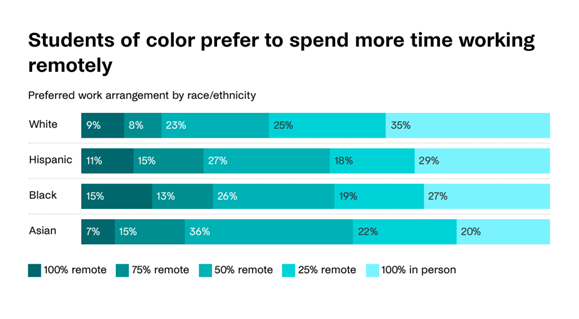
Less than 30 percent of Asian, Black and Hispanic students want to work in person full-time, compared to 35 percent of white students, according to recent research from Handshake.

The findings are from a 2023 survey of 3,809 randomly selected students from the online recruiting platform’s network of college students and alumni. Handshake is based in San Francisco.

Data on remote jobs was based on applications to full-time remote and in-person jobs submitted between January 2022 and April 2023 by bachelor’s degree students. The graphs below are from Handshake.

students of color.pngOther recent surveys have found that new graduates in general want hybrid schedules, which combine remote work with the opportunity for in-person networking and collaboration several days a week. Seventy percent of the 2,756 college seniors surveyed by LaSalle Network in March indicated they prefer working from home two to three days per week, a figure similar to the findings for 2022 graduates, according to the report, What the Class of 2023 Wants: How to Attract and Retain the Class That’s Never Satisfied.
An earlier survey from Handshake, conducted June 13 through July 6, 2022, also found a preference for hybrid schedules. Among the 1,432 job seekers in the survey, 55 percent said it’s important that they are allowed to work remotely, but only 15 percent wanted a fully remote schedule, and 23 percent wanted a fully in-person schedule.

But while a majority of students across all races prefer hybrid work, “there is a distinct racial gap when it comes to what ‘hybrid’ ideally means,” Kate Urban, Handshake senior research writer, noted in a company blog post.

White students were more likely to say they want to work remotely about 25 percent of the time. Students of color were more likely to say they want to be remote 50 percent of the time or more.

Many respondents of color, Handshake found, said they feel less day-to-day racial bias and less pressure to assimilate to workplace norms of a predominantly white culture when they work remotely.

Female students and students of color had “so many factors that [they] had to deal with pre-COVID,” such as not having a car, or having to deal with family-care issues, said Valerie Workman, Handshake chief legal officer.

“One of the upsides of going to remote work [was] they could get to work easily, and those barriers were removed,” Workman said. “They don’t want to give that up.”

Preference for remote work is not just a transportation issue, she added.

“Many of them felt there were stigmas in terms of how they were dealt with in the workplace … and challenges of acclimation and inclusion.” Those disappeared when they didn’t have to go into the office, Workman noted.  

In her blog post, Urban quoted a female Muslim student who said working remotely allows her the freedom to practice her religion without worrying about discrimination or compromising her religious beliefs by wearing traditional office attire to fit in.

If diversity, equity and inclusion are part of your recruiting efforts, Workman said, offering hybrid work schedules, or primarily remote work schedules, should be part of the recruiting process.

In the last three years, the number of companies that provided relocation to new hires “severely diminished,” Workman said.

“It’s almost become a rarity in the last 18 months,” she noted. “If they’re requiring [workers] to be onsite … they’re really going to have to start looking at starting relocation packages again.”

Tech Majors

Between 2014 and 2021, the tech industry produced only a 1 percent increase in Black representation within technical roles in large tech companies, according to the NAACP’s Kapor Center.

In its latest survey, Handshake found more students of color are majoring in technology:

  • Asian students: 38.2 percent in 2023, up from 34.2 percent in 2019.
  • Black students: 10 percent in 2023, up from 8.6 percent.
  • Hispanic students: 8.9 percent in 2023, up from 7.6 percent.
  • White students: 35 percent in 2023, down from 43 percent.

Higher percentages of students of color indicated interest in cybersecurity, software engineering, artificial intelligence, information technology and business analytics than white students surveyed, but all groups expressed an equal interest in data analysis, according to Handshake.

The findings show that the efforts of corporations, universities and colleges in encouraging students of color to participate in tech careers have paid off, Workman said. Additionally, these students are 1.5 to two times more likely than white students to say they plan to develop software engineering and cybersecurity skills over the next few years.

current economy job search.png

“This group wants to continue their education,” Workman said. “They know their degree is not the end-all,” and they are aware the skills required to work in technology rapidly change. “This group understands they need to keep learning in order to continue to be viable [employees].”

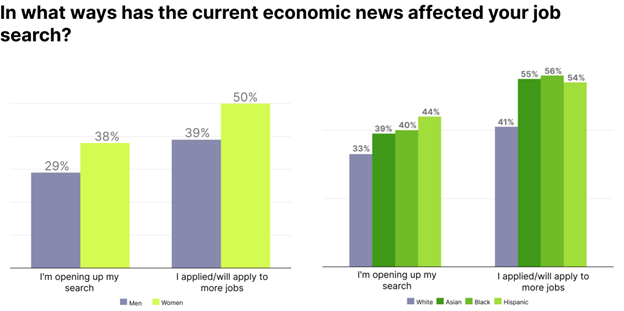
Female students were more likely than male students to indicate that news about the economy has led them to apply to more jobs, apply sooner, and open their job search to more industries, companies, and roles, according to the report. Handshake found a similar trend for students of color:

  • 44 percent of female students said they had applied or were applying to more jobs, versus 39 percent of male students.
  • 55 percent of Asian students said they applied or were applying to more jobs, versus 39 percent of white students.
  • 46 percent of Black students said they applied or were applying to more jobs, versus 39 percent of white students.
  • 42 percent of Hispanic students said they applied or were applying to more jobs, versus 39 percent of white students. 

Other SHRM Resources:
New Grads Use ChatGPT in Job Search, SHRM Online, May 4, 2023.

Employees Star in Homegrown Training Videos

?Lights! Camera! Action! At some organizations, workplace thespians are starring in the training videos their fellow employees are watching. It’s a more personalized approach to training that off-the-shelf videos lack, some employers have found.

That’s the case at ParamountQuote Insurance Advisors in Chattanooga, Tenn., where two employees on the 25-agent staff role-play sales techniques before the camera.

The actors in the five- to 10-minute dramatizations are employees on track to become managers. Company founder Tim Connon, who is experienced at shooting videos, writes the scripts.

“We don’t allow agents to completely wing it on their calls,” he said, explaining that the videos are used to educate agents on how to respond to common customer concerns and objections.

During training, employees watch three videos. The first, which is scripted, illustrates a client call that goes smoothly. In the second video, which is unscripted, the insurance agent must think quickly when a meeting with the “client” does not go as planned. A third video, which is scripted, addresses how to effectively respond to typical client issues and concerns.

And while no stars have emerged from the small screen, “the employees do enjoy having conversations among each other about the training” and especially enjoy the unscripted video, Connon said.

“They really enjoy the acting style and watching a role-play,” he said, and are amused to see their colleagues improvise responses to the disgruntled client. “There’s something about friends wanting to see other friends perform.”

And the videos work, Connon said. He follows up training with one-on-one meetings he describes as “the icing on the cake where we get into a lot of important things they need to hear from me in person.”

More Relatable Training

Training content that features your own employees “unlocks the power of peer storytelling and enables training departments to tap internal ‘learning influencers’ who can communicate persuasively to their peers and promote additional learning offerings,” said Mariel Davis, cofounder of Spokn, a software development company in New York City.  

Employee-generated content is particularly effective for training in soft skills, she said, and “can help to make abstract concepts tangible and memorable.” Davis’s company offers a tool for employers to create their own learning and development content.

Her top advice for using homegrown talent: Keep the video short and don’t over-produce it.

“The whole point of tapping your own employees as training content creators is their authenticity. Over-scripting or adding too much polish in production defeats the purpose,” Davis said. 

On-camera staffers at CJ&CO, a digital marketing company headquartered in Brisbane, Australia, share their experience working with various pieces of software and offer workarounds they have used when problems arise.

It’s a practice the company has followed since the start of the pandemic in 2020. Most videos are how-to’s conducted by the company’s 15-member staff, who explain a process or how software is used.

They are given bullet points of what to cover and a brief introductory script, but “our employees wing it from there,” said Casey Jones, founder and head of marketing and finance. An employee might demonstrate how to log data in Google Sheets, for example, and narrate the process.

“I found that letting them do their thing and giving them their freedom in approaching the videos makes them more comfortable filming rather than pressuring them to memorize scripts,” Jones said. “It just makes it more human and personalized rather than having them stick to a script.”

Sharing what they have learned during their tenure gives them a sense of responsibility and makes the training more relatable.

“They feel valued and recognized for their expertise,” Jones added.

He also sees the homegrown videos as an onboarding tool that helps showcase real-life scenarios in the workplace.

“Trainees can peek at what it’s like in the workplace and imagine where or how they can fit in with their roles and responsibilities,” he said.

Using staffers in company training videos has been a practice the last three years at MusicGrotto.com, said Jenna Carson, HR and operations manager. The practice was adopted, she said, “to personalize onboarding messages and better explain processes when employees live in other parts of the globe” with work schedules that make live video meetings challenging.

The videos are produced by a manager or a staff member experienced in a specific topic. An HR-conducted survey found a higher compliance rate for watching the videos and correctly answering post-video questions, Carson said, compared to externally produced videos that did not incorporate employee actors.

Manick Bhan, founder and chief training officer at digital marketing agency LinkGraph, based in New York City, also uses employees in his company’s training videos. Workers have found the material practical and relatable, he said.

Bhan noted that his company complements its training videos with other learning formats to appeal to diverse learning styles.

“Not all employees may prefer video-based training or find it as effective as other learning methods, or [they may] prefer in-person interactions,” he said.

Employees Star in Home-Grown Training Videos

?Lights! Camera! Action! At some organizations, workplace thespians are starring in the training videos their fellow employees are watching. It’s a more personalized approach to training that off-the-shelf videos lack, some employers have found.

That’s the case at ParamountQuote Insurance Advisors in Chattanooga, Tenn., where two employees on the 25-agent staff role-play sales techniques before the camera.

The actors in the five- to 10-minute dramatizations are employees on track to become managers. Company founder Tim Connon, who is experienced at shooting videos, writes the scripts.

“We don’t allow agents to completely wing it on their calls,” he said, explaining that the videos are used to educate agents on how to respond to common customer concerns and objections. 

During training, employees watch three videos. The first, which is scripted, illustrates a client call that goes smoothly. In the second video, which is unscripted, the insurance agent must think quickly when a meeting with the “client” does not go as planned. A third video, which is scripted, addresses how to effectively respond to typical client issues and concerns.

And while no stars have emerged from the small screen, “the employees do enjoy having conversations among each other about the training” and especially enjoy the unscripted video, Connon said.

“They really enjoy the acting style and watching a role-play,” he said, and are amused to see their colleagues improvise responses to the disgruntled client. “There’s something about friends wanting to see other friends perform.”

And the videos work, Connon said. He follows up training with one-on-one meetings he describes as “the icing on the cake where we get into a lot of important things they need to hear from me in person.”

More Relatable Training

Training content that features your own employees “unlocks the power of peer storytelling and enables training departments to tap internal ‘learning influencers’ who can communicate persuasively to their peers and promote additional learning offerings,” said Mariel Davis, cofounder of Spokn, a software development company in New York City.  

Employee-generated content is particularly effective for training in soft skills, she said, and “can help to make abstract concepts tangible and memorable.” Davis’s company offers a tool for employers to create their own learning and development content.

Her top advice for using home-grown talent: Keep the video short and don’t over-produce it.

“The whole point of tapping your own employees as training content creators is their authenticity. Over-scripting or adding too much polish in production defeats the purpose,” Davis said. 

On-camera staffers at CJ&CO, a digital marketing company headquartered in Brisbane, Australia, share their experience working with various pieces of software and offer workarounds they have used when problems arise.

It’s a practice the company has followed since the start of the pandemic in 2020. Most videos are how-to’s conducted by the company’s 15-member staff, who explain a process or how software is used.

They are given bullet points of what to cover and a brief introductory script, but “our employees wing it from there,” said Casey Jones, founder and head of marketing and finance. An employee might demonstrate how to log data in Google Sheets, for example, and narrate the process.

“I found that letting them do their thing and giving them their freedom in approaching the videos makes them more comfortable filming rather than pressuring them to memorize scripts,” Jones said. “It just makes it more human and personalized rather than having them stick to a script.”

Sharing what they have learned during their tenure gives them a sense of responsibility and makes the training more relatable.

“They feel valued and recognized for their expertise,” Jones added.

He also sees the home-grown videos as an onboarding tool that “helps us showcase real-life scenarios in the workplace.”

“Trainees can peek at what it’s like in the workplace and imagine where or how they can fit in with their roles and responsibilities,” he said.

Using staffers in company training videos has been a practice the last three years at MusicGrotto.com, said Jenna Carson, HR and operations manager. The practice was adopted, she said, “to personalize onboarding messages and better explain processes when employees live in other parts of the globe” with work schedules that make live video meetings challenging.

The videos are produced by a manager or a staff member experienced in a specific topic. An HR-conducted survey found a higher compliance rate for watching the videos and correctly answering post-video questions, Carson said, compared to externally produced videos that did not incorporate employee actors.

Manick Bhan, founder and chief training officer at digital marketing agency LinkGraph, based in New York City, also uses employees in his company’s training videos. Workers have found the material practical and relatable, he said.

Bhan noted that his company complements its training videos with other learning formats to appeal to diverse learning styles.

“Not all employees may prefer video-based training or find it as effective as other learning methods, or [they may] prefer in-person interactions,” he said.

Linkage CEO Offers Women Advice for Overcoming Obstacles to Leadership

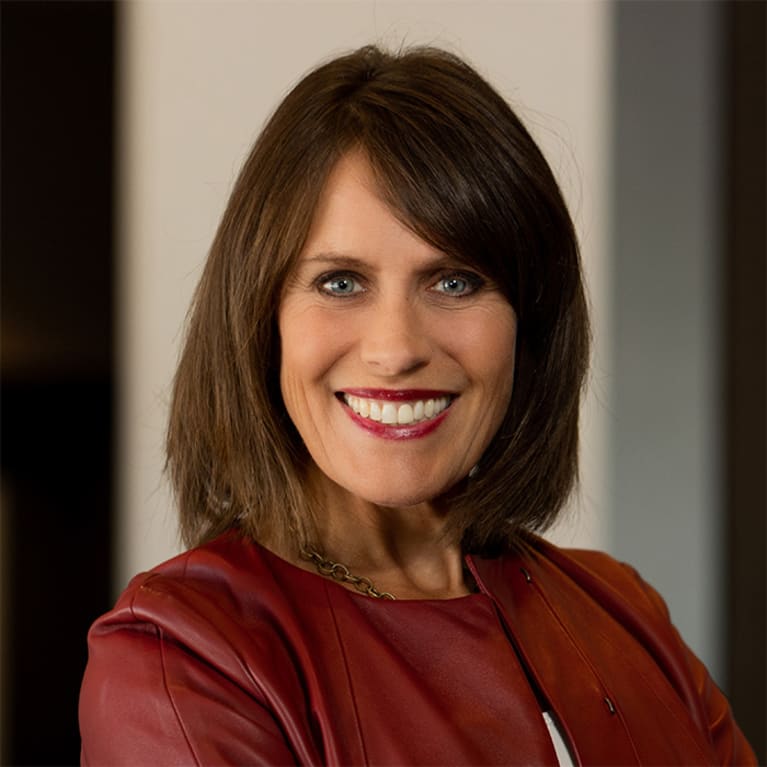
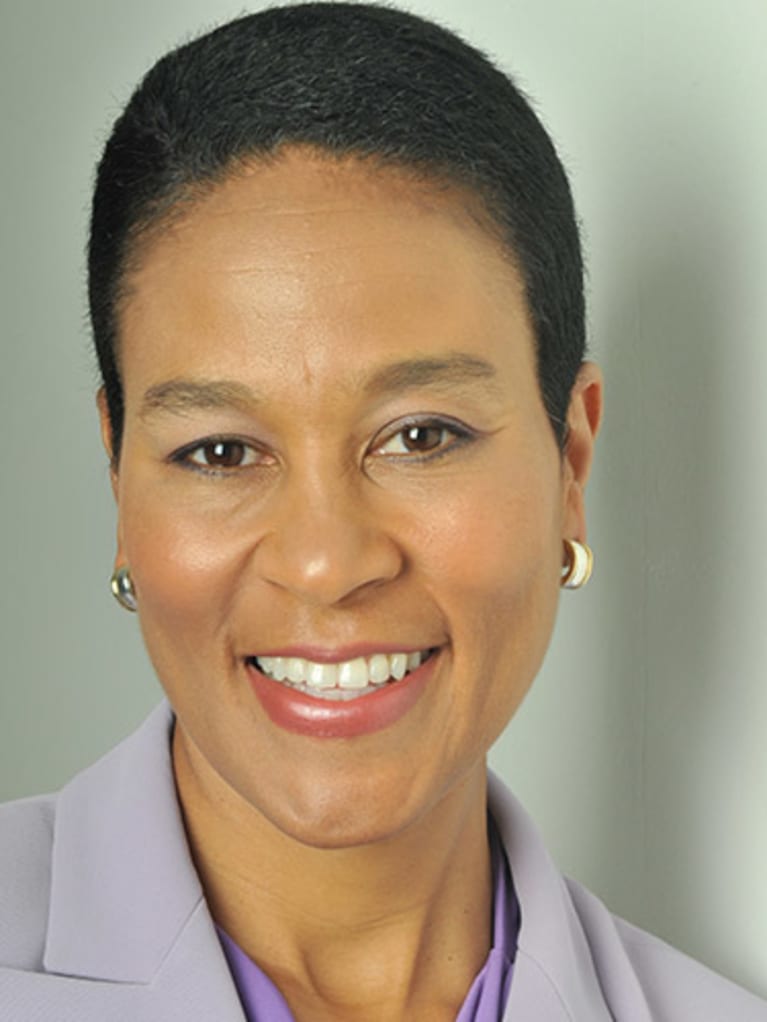
?In 2023, more than 10 percent, or 52, of the CEOs at Fortune 500 companies are women. While that represents an all-time high, there’s still a shortage of women at the highest levels of leadership, according to Jennifer McCollum, CEO of SHRM company Linkage.

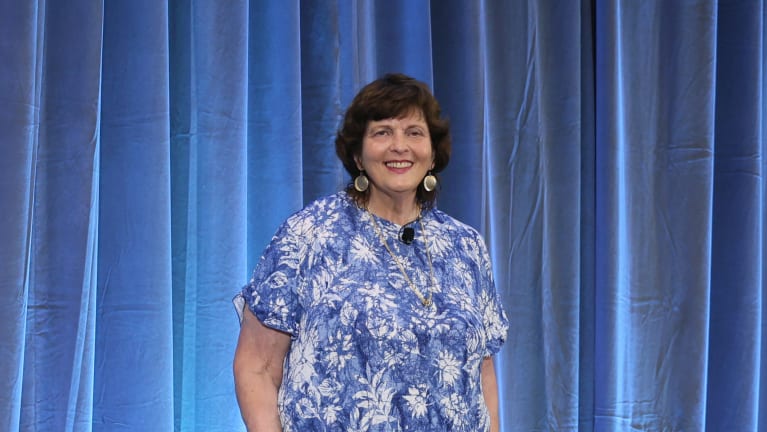
Jennifer McCollum, CEO of SHRM company LinkageMcCollum, author of the forthcoming book In Her Own Voice: A Woman’s Rise to CEO (Matt Holt, 2023) addressed this topic at the recent SHRM Annual Conference & Expo 2023 (SHRM23) in Las Vegas.

From the manager level on up, a gender gap emerges, according to new research from Linkage’s Advancing Women Organizational Assessment. With few women in director and senior director roles, there will be even less gender diversity in upper management as a result, it found.

Societal biases do get in the way of women’s advancement, but there are also internalized obstacles, McCollum said. For more than 25 years, Linkage has been tracking the unique challenges women face in attaining leadership roles.

In her book and during her session, McCollum identified the following ways women erect roadblocks to their own advancement.

Heeding their inner critic

“This is the harsh interior voice that can prevent us from taking action,” she said. “It’s the voice that whispers, ‘I shouldn’t ask for that promotion or raise. I shouldn’t speak up in the meeting.’ “

Permitting internal bias to prevent them from taking action

McCollum recalled how she nearly talked herself out of accepting her first CEO position. She thought to herself, “You can’t be a mom and a CEO at the same time” and, “You can’t be a CEO if you’ve never been a CEO.”

Thankfully, some supportive male friends helped her see her worth, and she accepted the role.

Lacking clarity

“We have found that when you ask women, ‘What do you want in your career? What do you want in your life?’ women tend to define it in terms of other people,” McCollum said. They phrase their answer around wanting to see their team grow and achieve, or their family to be happy.

“All those things are good, but what do you want?” she asked SHRM23 attendees. Once you can articulate your answer, “the universe conspires to help you get it,” and others help you achieve your goal.

Taking on too much in the belief you will be noticed and rewarded.

“You’ve got to do your job,” McCollum acknowledged, but it’s also critical to develop workplace relationships and make others—such as your boss—aware of your interest in leadership roles. In her book, McCollum urges women to set better boundaries “by being much more intentional about when, why and how we say no” to work requests. This means women should learn to delegate and rely more on others.

A failure to display “recognized confidence.” 

Recognized confidence demonstrates your competence and ensures others also recognize it, including by sharing your successes with key people.

“If you are at the table, it’s because you’ve earned a seat at the table,” McCollum said and advised women to surround themselves with people who will remind them of their worth. McCollum pointed to SHRM Chief Knowledge Officer Alexander Alonso, SHRM-SCP, who during a meeting quickly gave her credit for an idea she had shared with him.

“He didn’t have to do that,” McCollum said, adding that women should support their colleagues in similar ways.

Being unmindful of personal branding and presence.

“Are you showing up the way you want to show up? Are you getting feedback on how you’re showing up?” McCollum asked.

Women tend to struggle to identify and own their strengths, she said. To discover how you are perceived, text three friends, ask them to describe you in your work environment “and ask yourself if [their response] aligns with how you want to show up,” she suggested.

However you discover your brand, she wrote in her book, “diligently manage it, which requires actively reinforcing the brand you want people to associate with you.”

Not making “the ask.” 

“Part of making the ask is having the clarity to know what we want and who can help us get it,” McCollum wrote. The ask may be for inclusion in an upcoming meeting or project, or for advice.

“The more often we ask, the more comfortable we get with asking, and the more we learn about how to navigate future asks,” she wrote. That includes how to respond to rejection: “You may not get everything you ask for, but even if we don’t get everything we want, we usually get something—and it’s usually much better than what we get if we don’t ask at all.”

As you rise in leadership roles, there will be more asks you will need to make on behalf of yourself and your team, she added.

Not activating the networks you’ve developed.

“Women are fabulous at building relationships. Women are less good at activating their network,” McCollum observed. “Why aren’t you leveraging your network?”

Also, ask yourself if your network needs to be stronger and if there are others you need to know and cultivate.

5 Priorities for HR and the Future of Work

?Executives must make decisions about what their company’s priorities should be, and HR leaders can—and should—influence those decisions.

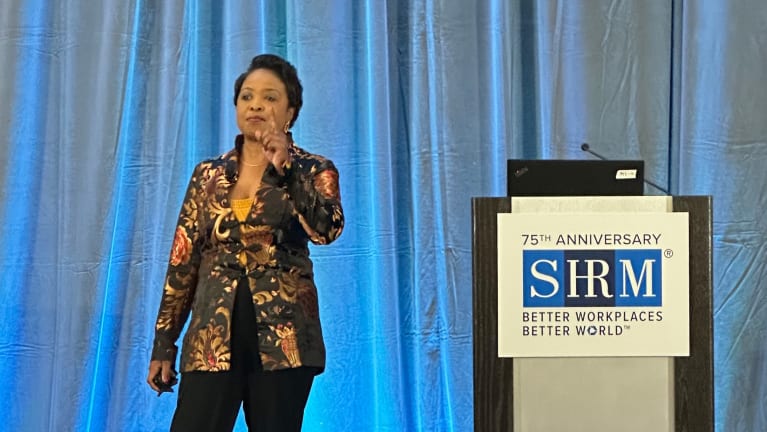
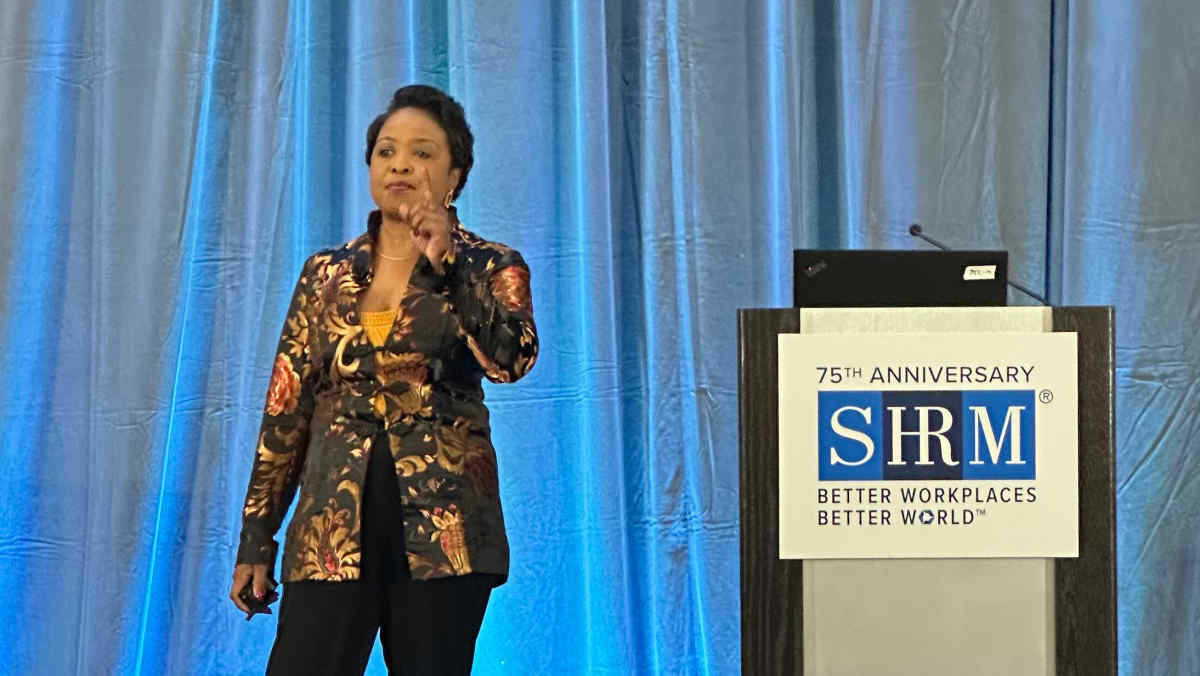
“Be influential, not just an influencer,” said Vivian Hairston Blade, president and CEO of Experts in Growth Leadership Consulting in Kentucky, during her session “Future of Work: Five Non-Negotiable Priorities for HR’s Agenda” on June 12 at the SHRM Annual Conference & Expo 2023 (SHRM23) in Las Vegas.
“Right now, we’re seeing unique factors impacting companies’ thought processes, such as high inflation, global economic uncertainty, decisions by the Federal Reserve [and] unsettled geopolitical situations, and all are affecting operations,” Blade said.

In their long-term planning, HR teams and their companies should focus on these five strategic priorities, she said.

1. HR’s value creation cannot be shortchanged.

“With world-class HR at the table, companies are significantly more likely to perform, such as 4.5 times more revenue growth, 5.5 times more profitability than their peers, and six times the innovation,” Blade said, citing consultant Josh Bersin.

“Human capital implications exist in all facets of your business,” she continued. “Ensure that HR has a seat at the table and an influential voice on the front end of discussions and decisions.”

2. Leaders’ effectiveness will likely determine a company’s success or failure.

The DDI Global Leadership Forecast 2023 showed that critical gaps persist in skills leaders will need for the future:

  1. In identifying and developing talent, 65 percent of leaders say it’s crucial to develop this skill, but only 24 percent have received any training in it.
  2. When it comes to strategic thinking, 70 percent say it’s crucial and 30 percent have received training.
  3. Decision-making prioritization is valuable, according to 63 percent of leaders, and 30 percent have received training.
  4. Managing successful change is important, according to 63 percent of leaders, but only 29 percent can capably implement it.
  5. Some 61 percent of leaders say influencing others is an important ability, but only 28 percent have the skills to do so.

“Implement a common human-centric leadership model using a multi-disciplined development approach across your leadership pipeline,” Blade said. “Equip leadership teams to operate in high-value-creating partnerships in this dynamic growth environment.”

3. Disruption is creating enterprise vulnerabilities as employers confront the future of work.

In many positions, 85 percent of the job’s requirements wouldn’t have existed before 2020, Blade estimated. Gig work is growing significantly, and more workplaces are shifting to hybrid work models that blend in-person and remote work.

“The war for talent is taking on greater importance, given the rise of the gig economy and artificial intelligence and its applications such as ChatGPT,” Blade said. “Future-of-work reinvention must lead with a human-centric design that drives significant value for both talent and business outcomes.”

She encouraged HR professionals to reimagine roles and workplace culture to meet dynamic market and business needs, as well as evolving technical capabilities and talent needs.

4. Companies must provide a consistent, positive talent life cycle experience that supports the workforce’s shifting expectations.

Many employees are not planning long futures with their employers. For example, 24 percent of people think it will be normal to work for an employer for no more than two years; 44 percent say they’re thinking about their career path in months, not years; and 58 percent say they’d leave their jobs for one they were less interested in if it offered a higher salary, according to Korn Ferry.

“Reconsider the traditional employee life cycle to include the varying needs of a dynamic and diverse talent pool,” Blade said. “Engage talent in reimagining and redesigning their workplace and career experiences.”

She encouraged HR professionals to cultivate potential talent pipelines and help applicants and employees build connection and engagement with their employers’ purpose, values, culture and people.

“By embodying a human-centric, caring experience that builds belonging and empowers personal growth, you can create fulfilling pathways to add value through meaningful work experiences,” Blade said.

“Finally, deliver honorable closure of employment, project or contract relationship so that you can earn willing and eager advocacy across the life cycle.”

5. Resilience and agility are paramount.

Seventy percent of business leaders surveyed by Bain and Company say they’re experiencing significant digital disruption, and 85 percent of them believe this disruption will either maintain its pace or accelerate over the next five years.

“Resilience and the ability to adapt quickly to change and ongoing disruption are essential for businesses to thrive,” Blade said. “Invest in developing resilience across your enterprise at individual, team and organizational levels.”

Paul Bergeron is a freelance writer based in Reston, Va.

Be Intentional, Self-Aware to Become CEO of Your Own Career

?At 5 years old, Nanci Appleman-Vassil already knew she wanted to be “in the people business.”

“My mom and I would go in a restaurant and look at people and say, ‘What’s their story? What’s going on with those two people?’ ” or the family at the next table, she told attendees at the SHRM Annual Conference & Expo 2023 (SHRM23) in Las Vegas.
Appleman-Vassil’s early interest in helping people led her to work in the guidance counselor’s office in high school, then she continued with relevant study in college and 25 years in the training, organizational development and corporate consulting field. 

She is CEO of APLS Group in Raleigh, N.C., which specializes in facilitating solutions for individuals, groups and organizations. She presented the June 14 concurrent session, “You’re the CEO of Your Career: What’s Your Vision?” 

Becoming the CEO of your career “starts with intention,” Appleman-Vassil said. “Intention is so critical.”
There are four crucial components for developing your career, she noted, and they stem from self-awareness:

1. Have a clear vision. 

What do you want? Be aware, too, she cautioned, for “blind spots to career vision.”

“Are you using your talents the way you want to use your talent? Is [your] organization receptive to what you want to do and how you’re doing it?” she asked.

2. Dedicate yourself to being a continuous learner. Be curious, she urged attendees, and constantly test out “new things you want to do.”

3. Foster strong relationships, meet and network with people.

Appleman-Vassil pointed to Mitch Albom, author of bestselling books that include Tuesdays with Morrie (Broadway Books, 1997), who spoke from the SHRM23 Main Stage on June 13 about the importance of connecting with others.

“You have to find time to invest time in people while you are living,” Albom said, choking up at times while delivering his remarks. “If you do, your voice will remain inside them even after you are gone.”

4. Develop your foundation by being able to answer the questions “Who are you?” and “What do you stand for?”

Appleman-Vassil likened building one’s career to constructing a house.

“When I think of building my house as it relates to my organization and professional life, what I’m thinking of are my habits, my character, my destiny.” Consider your words, actions, habits, and character when constructing your house, she advised. 

She challenged conference attendees to reflect on their interests, strongest skills, values and “nonnegotiables,” the kind of culture they want to create for themselves, their education and training, and what they need to obtain their desired career.

There is no one path to the career you want, Appleman-Vassil said. Scaling the typical career ladder may not be right for you and where you want to go.

Soft Skills: Hardest to Demonstrate, but They Matter the Most

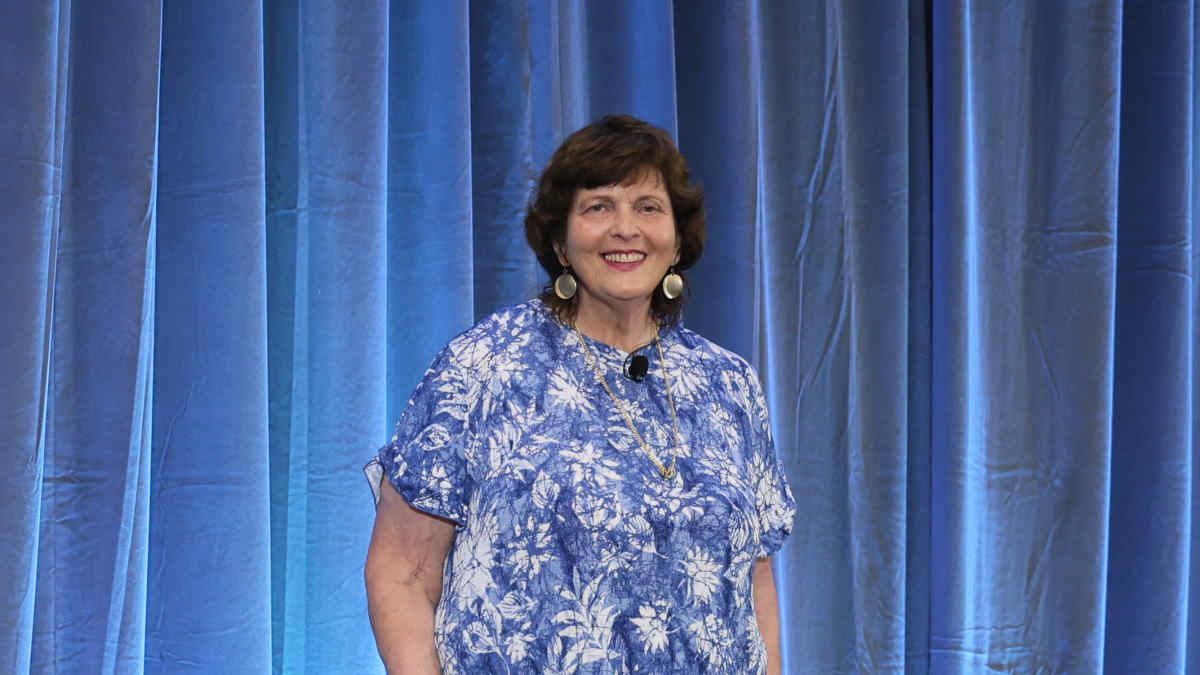
?Longtime HR professional Shirley Davis, SHRM-SCP, was meeting with a team member recently and knew something was off when she saw him. He appeared distraught, and his face was flushed. She could tell he had been crying, she told attendees at a June 13 presentation at the SHRM Conference & Expo 2023 in Las Vegas.

“Help me understand what’s going on,” a concerned Davis recalled saying to the employee. Sick with hurt, he broke down in tears, barely able to get the words out—his significant other was cheating on him.

This was not the time to talk business and ignore his pain, Davis decided. They rescheduled the meeting, with Davis suggesting he find a quiet place to decompress, take a walk or clock out for the rest of the day.

It was an example of displaying empathy—one of the soft skills she discussed during her concurrent session “The Hardest ‘Soft Skills’ Every Leader Must Demonstrate.”

Davis is president and CEO of SDS Global Enterprises Inc., in West Chapel, Fla. Her 30 years in HR includes working at several Fortune 100 companies and serving nearly eight years at SHRM as vice president of global diversity and inclusion and workplace strategies. 

She has a doctorate in business management and organization management, a master’s degree in HR management, and is a certified leadership coach. She also authored several books, including The Seat: How to Get Invited to the Table When You are Over-Performing and Undervalued (Success Doctor, May 2021).

Davis exhorted leaders to do a better job of understanding the different needs and expectations of their employees.

The new generation of talent, she said, “want to work at an organization where [they] will be seen, will be heard, will be valued, will be respected.” Young workers also value leaders who display soft skills, such as empathy, she added.

Leaders have a lot on their minds, Davis acknowledged, ticking off a list of concerns that include but are not limited to a focus on employee mental health, well-being and psychological safety; rising inflation and the threat of a recession; the labor shortage; the need to increase the talent pipeline of women and individuals from underrepresented groups; and keeping pace with technological advances.

Five Soft Skills for Leaders

However, Davis drilled down on the importance of soft skills, noting they “are really the hardest ones for leaders to demonstrate” but resonate with their employees.

1. Adaptability.

“Most people don’t like change,” Davis said. She noted there are three kinds of people: The ones who make change happen, the ones who watch change happen and the ones who wonder ‘What happened?’

“We have to be those that make change happen and do it early on,” she said.

2. Cultural competence.

“This is that ability to interact effectively with people who don’t see the world the way you see it, who were not raised with the same messages you were taught, who have a very different lens and schema in which they see the world.

“Building cultural competence is a journey,” she said and pointed to former President Bill Clinton, keynote speaker on June 12, who talked about the need to be accepting of differences.

3. Emotional intelligence.

“This is our ability to be able to recognize and regulate and convey our emotions,” Davis said. Do you easily lose your temper? Learn how to regulate that, she noted as one example of emotional intelligence (EI).

Davis emphasized the importance of knowing your “why” in life. That self-awareness “drives everything you do.” Without it, “you make decisions kind of willy-nilly and not tied to anything.”

EI also involves developing a kind of emotional “muscle.” In one hypothetical scenario, Davis asked attendees to consider how they would respond to a newly hired employee having trouble learning a key aspect of their job. Ideally, the response would include asking what you can do to help and support them, finding out the learning method that best works for them, and helping get them up to speed.

4. Empathy.

This involves the ability to approach others with kindness, respect and dignity, and without judgment. Empathy fosters positive relationships.

“If [someone] is upset in your office, how comfortable are they at coming to you to share why? How do you respond? How consistent are you at giving praise and recognition without reservation?” Davis asked.

5. Trust building.

Employees want to feel safe, Davis said, “to take risks, to speak up, to make mistakes.” She cited a Harvard Business Reviewstudy that compared high-trust and low-trust companies. Employees at high-trust companies reported:

  • 106 percent more energy.
  • 76 percent more engagement.
  • 74 percent less stress.
  • 50 percent higher productivity.
  • 40 percent less burnout.

Building trust, she said, involves displaying civility; treating people with respect; communicating clearly, openly and honestly; leading by example; honoring your commitments; owning up to your mistakes; and avoiding blaming and shaming.

“The hardest soft skills,” she said, “really do make a difference.”

Subscribe to our Newsletter